How Electric Atlas Is Revolutionizing Factory Sorting
by @mominmikhail1 views0 downloadsOct 2, 2026, 16:37
Keywords
Boston Dynamics electric Atlas factory sortingautonomous humanoid robot factoryelectric Atlas bin pickinghumanoid robot warehouse automationall-electric Atlas Boston Dynamicsmachine vision bin pickingelectric actuatorsrepetitive strain injury automationfactory labor shortage solutionsflexible automation vs fixed conveyor
Video Script / Transcript
This humanoid robot just took over automotive factory sorting. For decades, industrial manufacturing relied on massive conveyor lines bolted straight to concrete floors. Today, an autonomous humanoid is navigating complex warehouse spaces, spotting disorganized parts, and rewriting how modern production lines work from the ground up.
Inside modern industrial facilities, the all-electric Atlas from Boston Dynamics is completely redefining material handling. It isn't like legacy robotic arms stuck in safety cages, and it isn't like automated vehicles locked to magnetic floor tape. This humanoid operates entirely without pre-programmed paths. Powered by real-time machine vision and high-torque electric actuators, it evaluates chaotic supply bins, calculates the best grasp points, and navigates shared human workspaces with full range-of-motion flexibility. Traditional fixed conveyors lock plants into rigid workflows and demand millions in capital whenever a product line updates. In contrast, an autonomous humanoid adapts directly to your existing plant layout without requiring a single structural modification, and honestly, that's a total game changer.
First, let's look at capital efficiency and zero-infrastructure retooling. Fixed conveyor networks often eat up to forty percent of usable plant floor space. Tearing them down and rebuilding during model changeovers can cost upwards of five million dollars. The electric Atlas operates within existing human footprints, letting automotive facilities update sorting lines through software rather than months of physical reconstruction.
Second, you get autonomous precision under constant operational variation. Sorting unorganized automotive parts from deep storage bins has historically defeated standard automation. Using multi-spectral depth perception and predictive motion control, this platform identifies overlapping, reflective metal components and executes high-cycle pick-and-place routines with sub-second path corrections. That keeps it reliable across varied shift demands.
Third, it completely eliminates ergonomic strain while stabilizing workforce shortages. Repetitive sorting, twisting, and heavy bin-picking account for more than thirty percent of all lost-time workplace musculoskeletal injuries in manufacturing plants. Deploying autonomous humanoid platforms to take on high-repetition lifting eliminates severe physical strain while protecting plant output against persistent industrial labor deficits.
The shift from rigid mechanical routing to flexible humanoid automation is already underway on factory floors. For plant operations managers, automation engineers, and supply chain directors, the immediate priority is finding out which high-strain sorting workflows are ready for deployment. Evaluate your facility's ergonomic bottlenecks, assess your material flow flexibility, and prepare your infrastructure for the next generation of autonomous manufacturing.
Related Creations
Explore AI creations on similar topics generated by the community
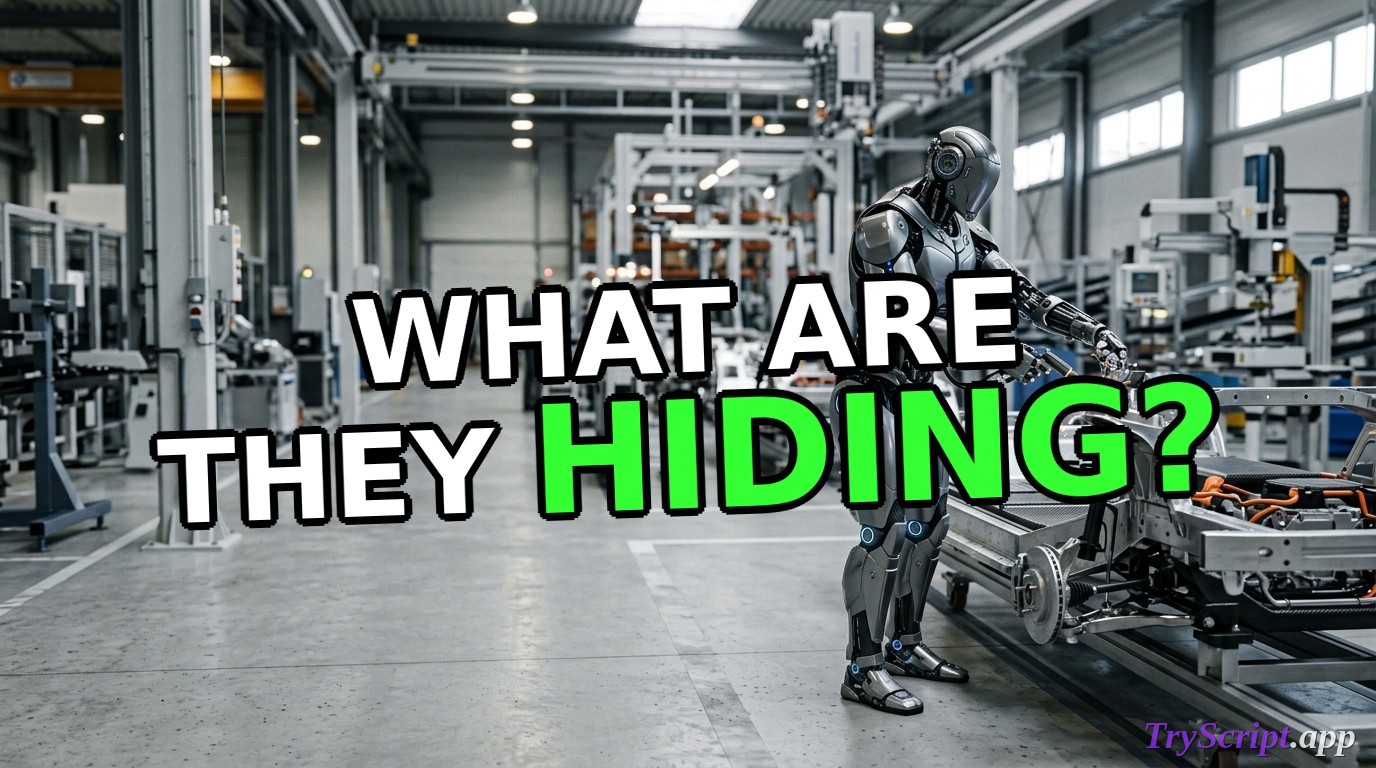
Figure 02 Takes Over BMW Factory Floor
by @mominmikhail2026-09-18T18:58:49Z
16 views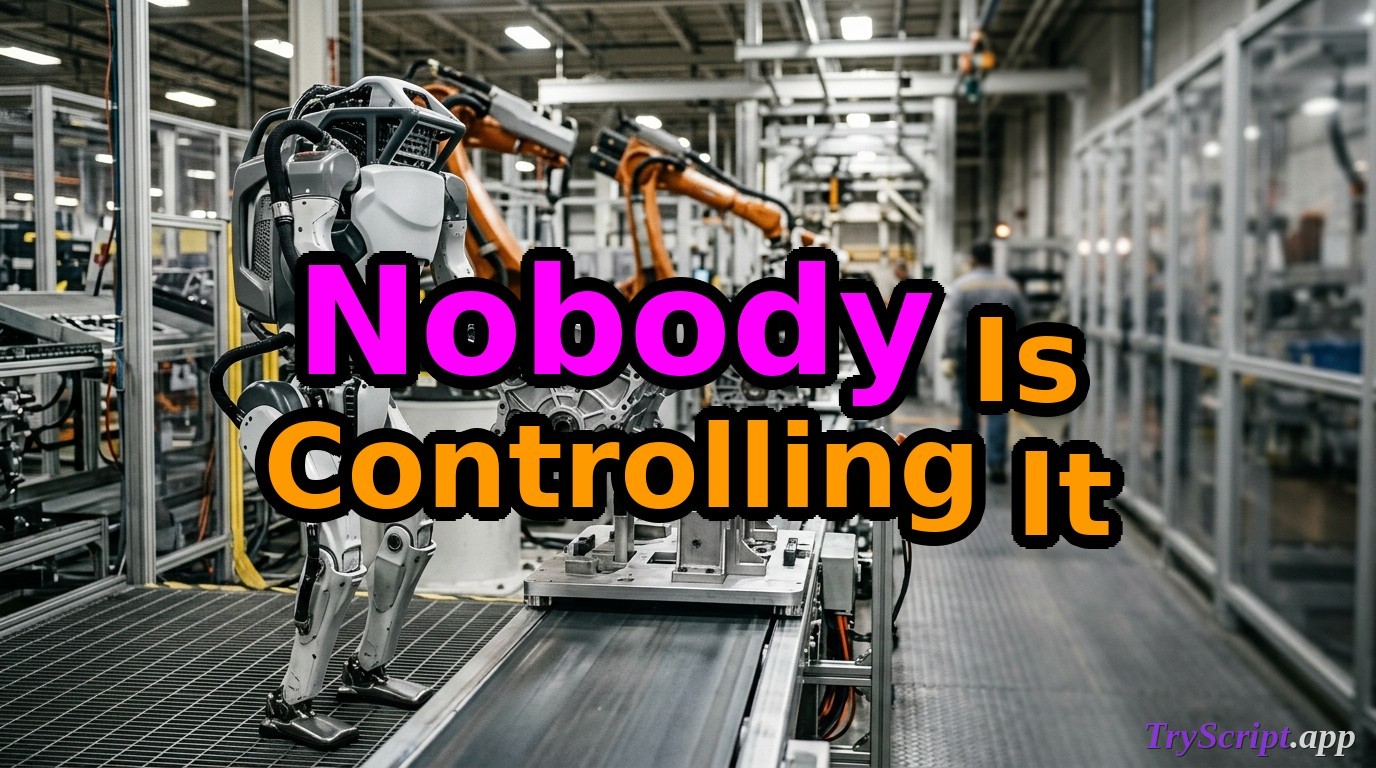
Boston Dynamics Electric Atlas Goes Fully Autonomous in Factories
by @mominmikhail2026-09-17T10:05:15Z
16 views
CRITICAL: Cisco SD-WAN Zero-Day Auth Bypass (CVE-2026-76504)
by @mominmikhail2026-10-02T16:34:11Z
2 views
Figure AI Helix 2.5: Zero-Shot Humanoid Manipulation Is Here
by @mominmikhail2026-10-02T05:31:14Z
4 views
ShinyHunters Infiltrates Clop: The Dark Web Gang War
by @mominmikhail2026-10-02T05:27:20Z
4 views
Tesla Optimus Gen 3 Hits Massive Fremont Ramp
by @mominmikhail2026-09-27T23:26:54Z
11 views