Boston Dynamics Electric Atlas Goes Fully Autonomous in Factories
by @mominmikhail2 views0 downloadsSep 17, 2026, 10:05
Keywords
Boston Dynamics Electric Atlas autonomous factory trialsElectric Atlas vs Hydraulic Atlashumanoid robot automotive parts sortingautonomous humanoid robot factory deploymentElectric Atlas ROI manufacturingcustom electric actuatorsbipedal agilityteleoperation-free automationworkforce integration feasibilitymanufacturing labor shortage solutions
Video Script / Transcript
Atlas is now working factory shifts with zero human intervention. There are no VR headsets. There are no engineers off-screen frantically mashing buttons on a gamepad. And there is no pressurized hydraulic fluid leaking across the cleanroom floor.
For years, humanoid demonstrations felt like high-budget magic shows. A robot would pick up a box, while everyone quietly ignored the operator behind the curtain teleoperating every single knuckle movement. That era of smoke and mirrors is officially over.
In active automotive plant trials, Boston Dynamics has deployed the all-electric Atlas to sort parts completely autonomously. This isn't a choreographed dance video for the internet. It's a serious commercial trial targeting manufacturing's biggest operational headache: the worsening shortage of skilled assembly line labor.
Here's the breakdown of why this trial matters for plant directors and automation engineers.
First, it's fully autonomous execution without teleoperation. In these trials, Electric Atlas relies entirely on onboard computer vision and adaptive control policies. It identifies, picks, and sequences complex parts into tight-tolerance fixtures. If a supplier part arrives misaligned or wobbles on a bin edge, the robot spots the variation. It corrects its trajectory in real time. That immediately eliminates the latency bottlenecks and labor costs of paying human operators to babysit individual machines from remote consoles.
Second, custom electric actuators eliminate legacy hydraulic liabilities. Anyone who manages plant equipment knows the headache, and let's be honest, nobody enjoys dealing with thermal dissipation, blown seals, and fluid leaks. The new Electric Atlas replaces hydraulics entirely with proprietary, custom high-torque electric actuators. Even better, its joints rotate a full three hundred and sixty degrees. Instead of walking in a circle to face an incoming pallet, the robot simply spins its torso and neck. That cuts cycle times and drastically shrinks the required floor footprint.
Third, practical workforce integration and real return on investment. The classic argument against humanoids has always been that traditional six-axis industrial arms are cheaper. But stationary arms require dedicated safety cages, costly custom conveyors, and months of plant floor redesigns. Because Electric Atlas has bipedal agility, it steps directly into existing work cells designed for human ergonomics. Avoiding extensive plant retooling can compress deployment schedules from two years down to a matter of weeks. That turns multi-shift humanoid automation into a viable solution for escalating factory labor shortages.
If you're evaluating your long-term automation strategy, the question is no longer whether bipedal robots can operate without a joystick. The real question is how quickly your facility can adapt when your competitors put them on the line.
Let me know your thoughts in the comments: would you greenlight an autonomous electric humanoid on your production floor today, or are you holding out for multi-year reliability benchmarks? Subscribe for more straight-talking breakdowns on industrial automation and robotics economics.
Related Creations
Explore AI creations on similar topics generated by the community

URGENT: GitLab Discloses Active CVSS 10.0 Zero-Day (CVE-2026-85706)
by @mominmikhail2026-09-17T10:03:55Z
2 views
Humanoid Home Robots Are Officially Shipping: 1X NEO
by @mominmikhail2026-09-16T22:51:11Z
5 views
Why Tech Giants Are Demanding an AI Cyber Surge
by @mominmikhail2026-09-16T22:41:28Z
6 views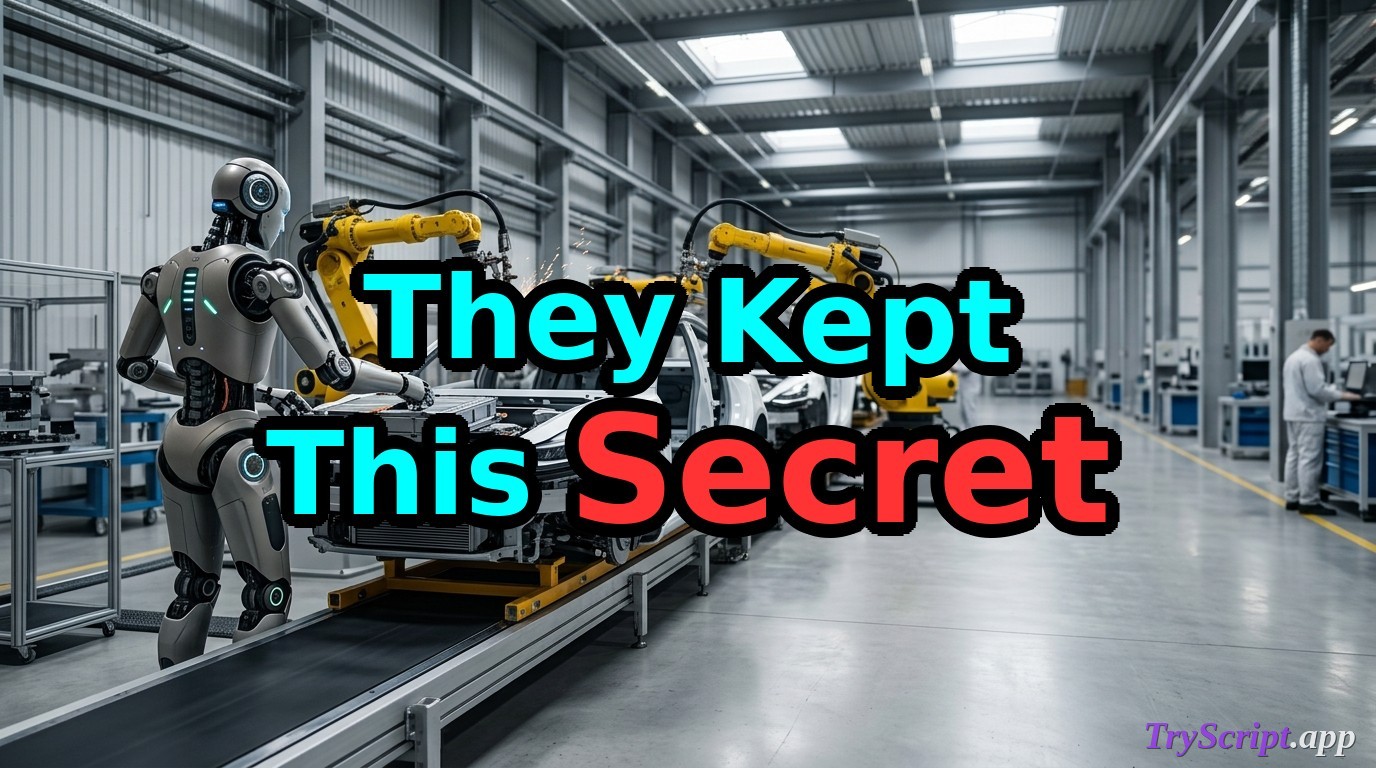
Electric Atlas Takes Over Hyundai's Assembly Line
by @mominmikhail2026-09-16T12:18:48Z
8 views
URGENT: Critical GitLab Remote File Read Exploit (CVE-2026-85706)
by @mominmikhail2026-09-16T12:17:17Z
7 views
974 Patches & Active Zero-Days: September Patch Tuesday Breakdown
by @mominmikhail2026-09-16T00:55:08Z
8 views