ShinyHunters Infiltrates Clop: The Dark Web Gang War
by @mominmikhail4 views0 downloadsOct 2, 2026, 05:27
Keywords
ShinyHunters Clop ransomware hackransomware gang turf warShinyHunters Clop breachdark web cartel warsupply chain extortion threatsdata leak site compromisethreat actor infiltrationdouble extortioncollateral data exposurethreat intelligence briefing
Video Script / Transcript
Hackers just hacked the world's most dangerous ransomware gang.
In an unprecedented underground turf war, the cybercrime syndicate ShinyHunters has breached the backend infrastructure of the Clop ransomware operation. Clop is infamous for weaponizing zero-day vulnerabilities in enterprise file transfer systems to extort hundreds of global corporations. Now, they're suddenly on the receiving end of a devastating intrusion—and honestly, talk about a wild twist. This isn't just dark web drama. It's an escalating cartel war that radically alters the threat landscape, putting enterprise victims right in the crossfire of rival cybercriminals.
Here's what security leaders and threat intelligence teams need to understand about this historic breach.
First, look at the sheer depth of this backend compromise. ShinyHunters didn't just deface a public portal. They infiltrated the internal staging servers, database backends, and administrative panels powering Clop's data leak site. That exposed private ransom negotiations, sensitive cryptocurrency transaction ledgers, and unreleased victim archives. By tearing down Clop's operational secrecy from the inside, this breach exposes the full architecture of industrial-scale extortion. It also creates an unprecedented intelligence trail for cyber threat analysts.
Second, recognize the severe collateral exposure facing enterprise victims. Organizations that previously suffered a Clop supply chain extortion attack are now trapped in an unpredictable secondary risk cycle. When stolen corporate assets move from one criminal syndicate to another, any previous assurances vanish. Rival threat actors can now weaponize, resell, or publicly dump that exfiltrated proprietary data. For affected enterprises, this elevates the threat of double extortion, complicates regulatory reporting deadlines, and jeopardizes legal privilege surrounding past ransom settlements.
Third, execute an immediate defensive pivot for enterprise security operations. CISOs must immediately shift from a traditional post-incident mindset to an active secondary-exposure posture. If your organization or third-party vendors were touched by previous file transfer supply chain attacks, your security teams must treat that data as actively circulating. Prioritize continuous dark web monitoring across emerging cartel channels, audit all historical compromise inventories, and harden third-party vendor access points against secondary extortion brokers.
The era of predictable ransomware containment is over. Audit your third-party supply chain exposure today. Cross-reference your historical breach data against newly compromised threat repositories, and fortify your enterprise before rival cartels weaponize your data all over again.
Related Creations
Explore AI creations on similar topics generated by the community

How Electric Atlas Is Revolutionizing Factory Sorting
by @mominmikhail2026-10-02T16:37:16Z
2 views
CRITICAL: Cisco SD-WAN Zero-Day Auth Bypass (CVE-2026-76504)
by @mominmikhail2026-10-02T16:34:11Z
2 views
Figure AI Helix 2.5: Zero-Shot Humanoid Manipulation Is Here
by @mominmikhail2026-10-02T05:31:14Z
5 views
Tesla Optimus Gen 3 Hits Massive Fremont Ramp
by @mominmikhail2026-09-27T23:26:54Z
11 views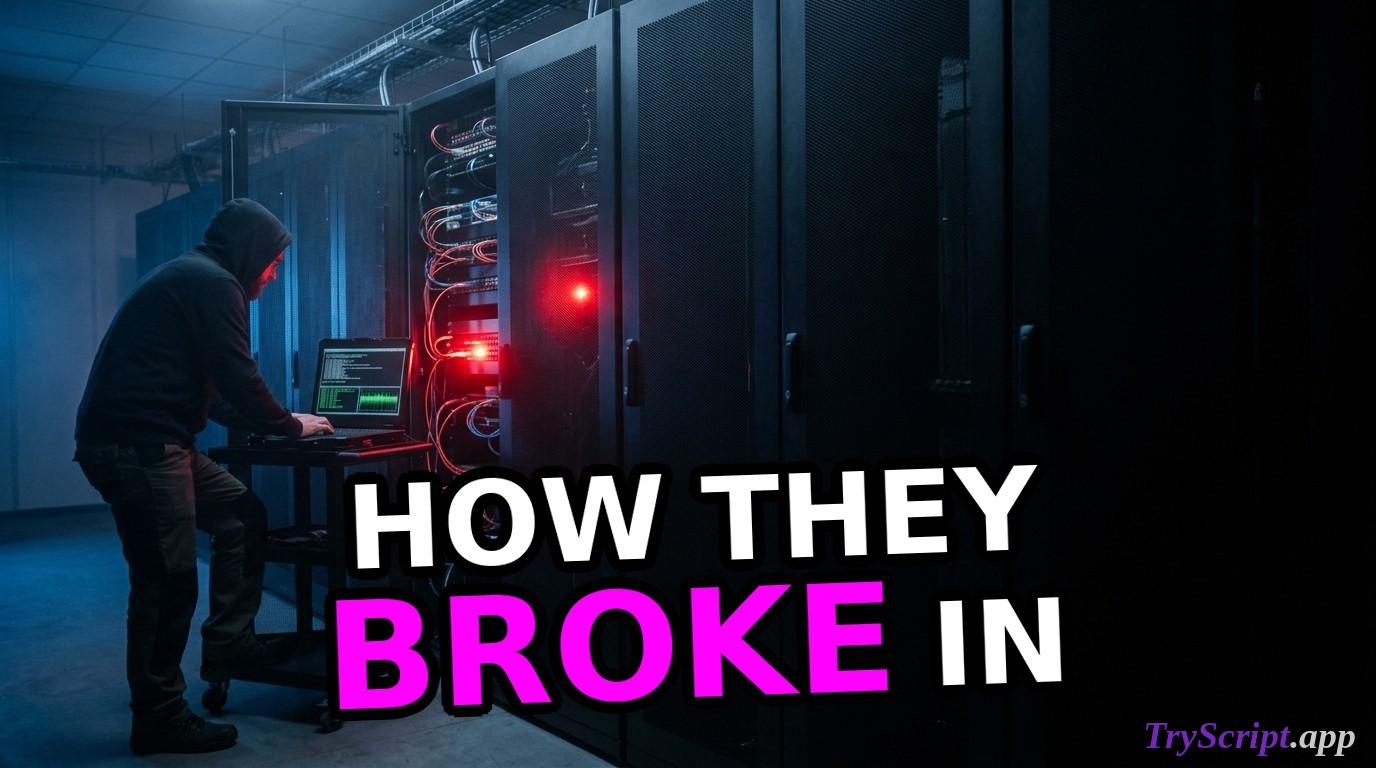
URGENT: Citrix NetScaler Dual Zero-Day Under Active Attack
by @mominmikhail2026-09-27T23:11:22Z
11 views
Mass Extortion Alert: Unpatched Oracle PeopleSoft Zero-Day
by @mominmikhail2026-09-27T12:00:09Z
9 views