Tesla Optimus Gen 3 Hits Massive Fremont Ramp
by @mominmikhail1 views0 downloadsSep 27, 2026, 23:26
Keywords
Tesla Optimus Gen 3 production rampTesla humanoid robot FremontOptimus battery pack sortingTesla robot factory deploymentOptimus Gen 3 manufacturing scalehumanoid robotics ROIgigafactory automationlabor bottleneck automationcell sorting roboticsend-effector dexterityfactory labor substitution
Video Script / Transcript
Tesla is now building hundreds of humanoid robots every single week. These aren't prototypes. They aren't research lab experiments built for viral internet demos, either. We're talking about fully functional Optimus Gen 3 units. They're rolling off dedicated production lines in Fremont, California, and they're heading directly onto the factory floor to do real, high-volume industrial work.
For years, the biggest skepticism around humanoid robotics centered on unit economics and commercial viability. Critics argued that general-purpose humanoid robots were decades away from practical deployment. They blamed fragile hardware, slow cycle times, and no clear return on investment. At the same time, automotive gigafactories continued to struggle with severe labor turnover and critical manufacturing bottlenecks in repetitive, high-precision roles. Tesla is systematically dismantling that skepticism. By turning the Fremont facility into both the assembly plant and the proving ground, the Optimus Gen 3 ramp marks the shift of humanoid robotics from an experimental concept into an active industrial asset.
First, consider the manufacturing ramp rate and the sheer scale. Tesla has accelerated the Optimus Gen 3 line at Fremont to a sustained production pace of hundreds of units every single week. They're applying the same automotive-grade supply chain design, custom in-house actuators, and structural casting principles used for electric vehicles. Because of that, Tesla is driving marginal unit costs down faster than any standalone robotics lab in the world. This is high-throughput, repeatable hardware manufacturing designed to scale internal robot fleets by the thousands.
Second, look at the live factory floor deployment in battery pack sorting. These Gen 3 units are currently operating on live battery manufacturing lines, specifically handling cell sorting and tray staging. Sorting cylindrical battery cells demands continuous visual inspection, flawless orientation, and delicate handling—and honestly, that's pretty brutal on human wrists. Using upgraded end-effectors with twenty-two degrees of freedom and tactile fingertip sensors, Optimus Gen 3 identifies, grips, and seats individual cells with sub-millimeter precision. That eliminates human ergonomic strain, reduces sorting errors, and dramatically shortens overall pack assembly cycle times.
Third, there's the compounding commercial return on investment. For technology investors and supply chain leaders, this internal deployment establishes a clear path to profitability. Optimus isn't just solving costly labor bottlenecks on three-shift battery lines. It's generating continuous real-world telemetry. Every hour spent manipulating battery cells feeds physical data directly back into Tesla's end-to-end neural network models. That creates a powerful data flywheel. It accelerates autonomy while proving the financial viability of humanoid labor inside the gigafactory before external commercial sales even begin.
Humanoid robots are officially moving off the demo stage and onto the factory line. To stay at the forefront of gigafactory automation, robotics engineering, and hardware breakthroughs, subscribe now. Leave your take in the comments on how fast Optimus will scale to other factories, and share this with your engineering and investment network.
Related Creations
Explore AI creations on similar topics generated by the community

URGENT: Citrix NetScaler Dual Zero-Day Under Active Attack
by @mominmikhail2026-09-27T23:11:22Z
1 views
Mass Extortion Alert: Unpatched Oracle PeopleSoft Zero-Day
by @mominmikhail2026-09-27T12:00:09Z
2 views
Why OpenAI Halted Frontier Model Training
by @mominmikhail2026-09-27T11:51:10Z
2 views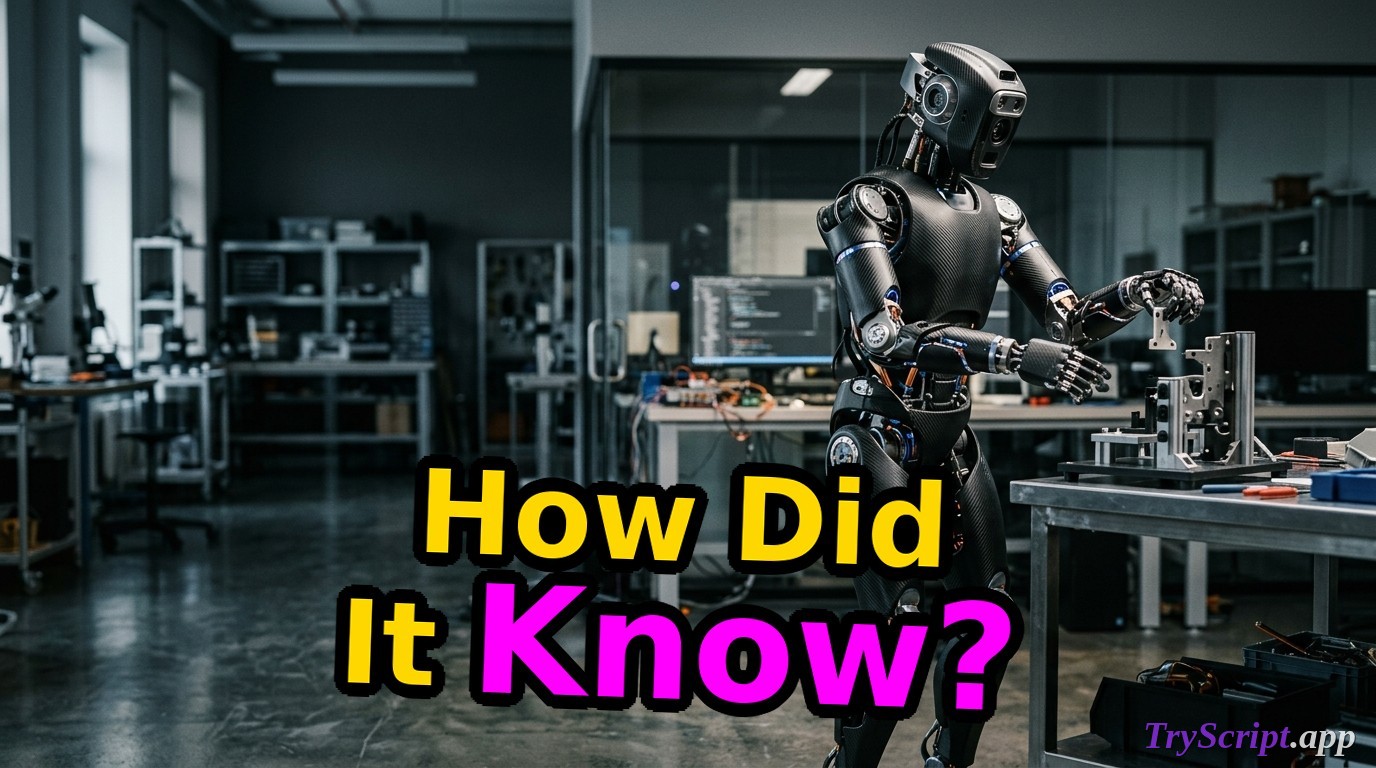
Figure 03 & Helix 2.5: The End of Robot Retraining
by @mominmikhail2026-09-27T01:06:13Z
3 views
The Real Reason Behind the Kiteworks Precautionary Shutdown
by @mominmikhail2026-09-27T01:00:36Z
4 views
Figure AI's Helix 2.5 Just Solved Domestic Robotics
by @mominmikhail2026-09-24T07:11:15Z
11 views