Figure AI's Helix 2.5 Just Solved Domestic Robotics
by @mominmikhail1 views0 downloadsSep 24, 2026, 07:11
Keywords
Figure AI Helix 2.5zero-shot household roboticsFigure AI domestic choresHelix 2.5 VLA modelautonomous humanoid home robotvision-language-action modelunstructured environment adaptabilityembodied AIper-task policy traininggeneral-purpose robotics
Video Script / Transcript
Humanoid robots just learned how to handle housework with zero prior training.
If you thought those viral videos of robots folding laundry meant the future had finally arrived, you were being misled. Nearly every domestic robot demo over the past three years was secretly teleoperated behind the scenes. Or worse, they were overfitted on thousands of hours of data just to perform a single chore in a pristine lab.
Until now, domestic robotics had a massive dirty secret: per-task policy training. If a robot was trained to wipe a kitchen counter, moving the sponge two inches to the left could break the whole system down. Dimming the lights caused the exact same failure. Building a functional home assistant meant spending years collecting custom data for every single task. That bottleneck just ended. Figure AI has unveiled the Helix 2.5 neural model, fundamentally changing how embodied AI operates in the real world.
Here are the three reasons why this changes everything.
Number one: Helix 2.5 is a true vision-language-action model that completely eliminates per-task policy training. Instead of relying on separate, isolated control policies for washing dishes, sorting laundry, and picking up clutter, Helix 2.5 runs as a single, unified foundation model. It translates visual perception and natural language commands directly into precise physical motor actions. It doesn't need hundreds of rehearsals to pick up an unfamiliar mug. It understands the object and executes the task zero-shot on day one.
Number two: unstructured environment adaptability is finally solved for daily chores. Real homes are chaotic. Trust me, nobody's living room looks like a spotless lab. Clothes are tossed across chairs, toys are scattered on the floor, and lighting changes constantly. Previous robots failed the moment their environment deviated from their training set. Helix 2.5 gives autonomous humanoid home robots the spatial reasoning required to navigate real-world mess. In an unfamiliar house, a Figure robot can identify misplaced items, clear dishes, and organize a chaotic kitchen without a single line of custom programming.
Number three: the timeline for general-purpose robotics just accelerated by years. Systems like Tesla Optimus have focused primarily on predictable, repetitive industrial manufacturing environments. Figure AI is taking on the hardest challenge in robotics: domestic life. By mastering zero-shot household tasks through Helix 2.5, the barrier to bringing general-purpose humanoid assistants into consumer homes isn't hardware or endless data collection anymore. It's now purely a matter of software scaling.
We're finally moving past the era of scripted laboratory parlor tricks and into real, functional autonomy. If you want to track the engineers and models breaking open the next era of artificial intelligence, make sure to follow along. Tell me in the comments: are you ready to hand your household chores over to a zero-shot humanoid robot, or do you need to see it survive your messy living room first?
Related Creations
Explore AI creations on similar topics generated by the community
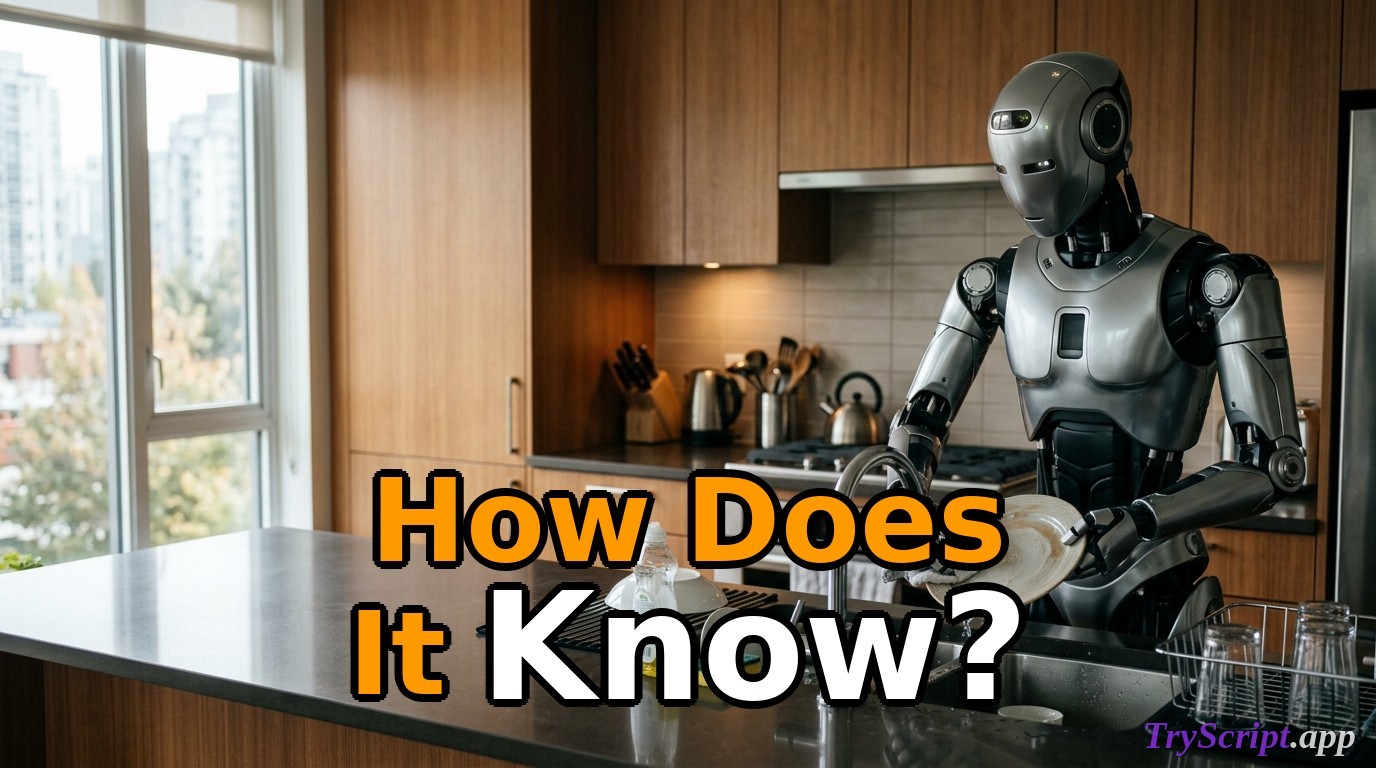
Figure AI Helix 2.5: Zero-Shot Household Robotics Breakthrough
by @mominmikhail2026-09-21T12:57:08Z
8 views
Check Point Zero-Day Alert: Emergency Patch Required Now
by @mominmikhail2026-09-24T07:08:42Z
2 views
URGENT: Cisco ISE Zero-Day Auth Bypass Patch (CVE-2026-76460)
by @mominmikhail2026-09-23T09:25:27Z
5 views
Inside Boston Dynamics' New Robot Behavior Factory
by @mominmikhail2026-09-23T09:22:11Z
4 viewsGoogle Fined €403M: Secret Location Tracking Exposed
by @mominmikhail2026-09-22T22:35:10Z
6 views
Digit 5: The Humanoid Robot That Changes Warehouse Safety Forever
by @mominmikhail2026-09-22T22:28:08Z
5 views