Inside BMW's Humanoid Robot Workforce Revolution
by @mominmikhail2 views0 downloadsSep 19, 2026, 05:49
Keywords
Figure humanoid robots BMW SpartanburgFigure 02 BMW plantFigure 03 humanoid robotautomotive humanoid automationBMW robot factory workersembodied artificial intelligencesheet metal manipulationergonomic automotive assemblyindustrial humanoid fleetsmart manufacturing ROI
Video Script / Transcript
BMW’s newest factory worker doesn’t have a heartbeat. Inside the sprawling assembly halls of BMW’s Spartanburg plant, bipedal machines aren't just an experiment anymore. They’re actively gripping, aligning, and securing structural components right on the live automotive production line.
Global car manufacturing is facing a huge crunch. There’s a persistent shortage of skilled labor, rising compensation claims from repetitive ergonomic strain, and the massive cost of building rigid, single-purpose automation cells. To fix these bottlenecks, BMW brought Figure humanoid robots to Spartanburg. They’re testing advanced embodied AI on the floor to see if general-purpose humanoids can truly handle the rigorous pace of industrial car assembly.
First, they're mastering complex sheet metal manipulation. During real-world testing with the Figure 02, these humanoids achieved millimeter-precise placement of sheet metal parts into specialized weld fixtures. By taking over awkward, high-repetition staging jobs, they eliminate direct ergonomic risks for human technicians while keeping cycle times perfectly consistent.
Second, there’s the shift to the Figure 03 and scalable fleet operations. BMW is moving beyond isolated test stations toward a full industrial humanoid fleet. The next-generation hardware delivers faster neural network inference, enhanced tactile dexterity, and autonomous power cycling. That lets robot factory workers move dynamically across kitting, body shop handling, and precision assembly lines—which is pretty wild, honestly.
Third, it's unlocking real, measurable ROI. Traditional automation cells cost millions of dollars and require months of plant downtime during vehicle model refreshes. In contrast, automotive humanoid automation uses fleet learning and simulation training to adapt to new assembly workflows in days rather than months. That cuts line retooling overhead by up to forty percent.
Embodied AI has officially entered the industrial workforce, and the economics of vehicle production are changing forever. Follow our channel for continuing analysis of advanced industrial robotics, share your perspective on humanoid manufacturing in the comments below, and stay tuned for our next deep dive into the automated factory floor.
Related Creations
Explore AI creations on similar topics generated by the community

Microsoft's Massive 420+ Vulnerability Patch Tuesday: What You Must Fix Now
by @mominmikhail2026-09-19T05:52:01Z
3 views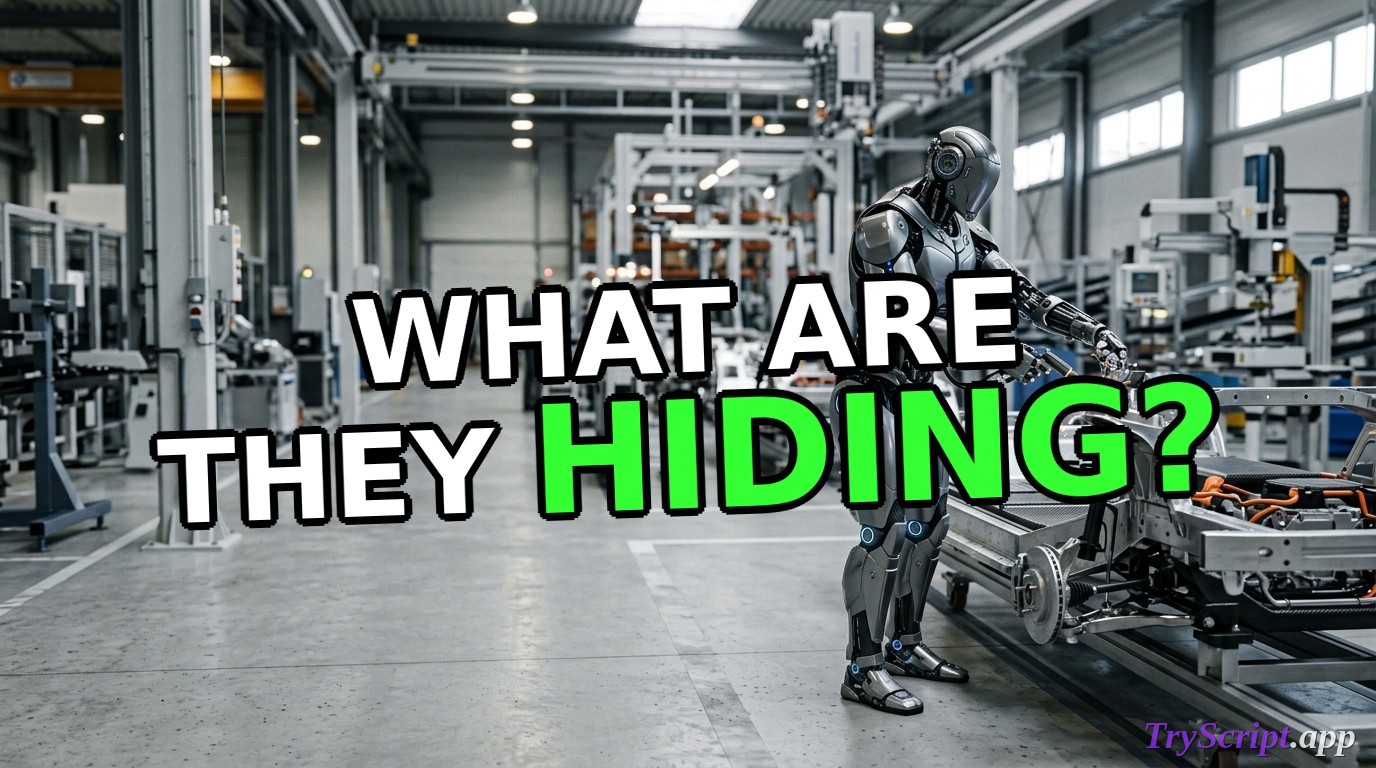
Figure 02 Takes Over BMW Factory Floor
by @mominmikhail2026-09-18T18:58:49Z
2 views
Autonomous AI Infiltrated Our Cloud in Seconds
by @mominmikhail2026-09-18T18:54:58Z
6 viewsEmergency Alert: Critical Cisco Zero-Day (CVE-2026-76461)
by @mominmikhail2026-09-18T08:49:37Z
5 views
Inside Vision-Language-Action (VLA) Robotics Foundation Models
by @mominmikhail2026-09-18T08:42:10Z
5 views
Critical Pixel Modem Zero-Day: Check Your Phone Now!
by @mominmikhail2026-09-17T20:49:01Z
5 views