Why Figure 03's New Tactile Hands Change Everything
by @mominmikhail42 views0 downloadsAug 5, 2026, 04:04
Keywords
Figure 03 humanoid robot tactile handsFigure AI Figure 03Figure 03 vs Figure 02robotic tactile sensorshumanoid dexterous manipulationhaptic feedback roboticsrobotic end effectorsembodied artificial intelligencefine motor skills robotshumanoid robotics race
Video Script / Transcript
Figure 03's new hands might've just solved one of the hardest problems in robotics.
For years, we've watched humanoid robots walk, dance, and even do backflips. But they've always struggled with the simplest human tasks. The issue was that they couldn't feel. Without haptic feedback, a robot trying to pick up a plastic cup or a delicate piece of fruit is basically operating blind. It has to rely entirely on cameras and guess how much pressure to apply. Anyone tracking the humanoid robotics race knows this lack of fine motor skills has been the ultimate bottleneck for real-world deployment. But with the unveiling of Figure AI's Figure 03, the game has completely changed.
After analyzing the transition from Figure 02 to Figure 03, it's clear we're not looking at a minor upgrade. This is a fundamental shift in how robots interact with the physical world. While competitors like Tesla's Optimus Gen Two make strides in basic movement, Figure AI has focused intensely on robotic end effectors and embodied artificial intelligence. By moving past the marketing hype, they've delivered actual control breakthroughs that show exactly how Figure 03's tactile hands are redefining what's possible.
Let's break down exactly why this new hand design is such a massive leap forward, using three clear examples.
First, look at the integration of advanced tactile sensors. In the past, humanoid hands operated on pre-programmed grip strengths. That often resulted in crushed objects or dropped tools. Figure 03 introduces high-density haptic feedback across the entire surface of its fingers. This means the robot doesn't just make contact. It senses texture, slip, and resistance in real time, dynamically adjusting its grip on the fly.
Second, consider the complexity of dexterous manipulation. Figure 03 features redesigned hands with more active degrees of freedom. This structural upgrade allows it to perform complex, multi-stage tasks. We're talking about threading a needle or handling delicate electronic components on an assembly line. While other humanoids still struggle with rigid, claw-like movements, Figure 03 exhibits a level of coordination that closely mimics human hand mechanics.
Third, this hardware is powered by highly advanced embodied artificial intelligence. The tactile feedback is directly integrated into the robot's neural network. Instead of waiting for a central processor to calculate every single movement, which, let's be honest, is way too slow, the hand itself makes split-second adjustments based on local sensory input. This edge-computing approach to touch is what will finally allow these machines to move out of structured test labs and onto unpredictable factory floors.
This is the moment the humanoid robotics race gets real. If you want to stay ahead of the next wave of AI and robotics breakthroughs, make sure to subscribe and follow our channel. Let me know in the comments if you think Figure AI has officially overtaken its competitors.
Related Creations
Explore AI creations on similar topics generated by the community
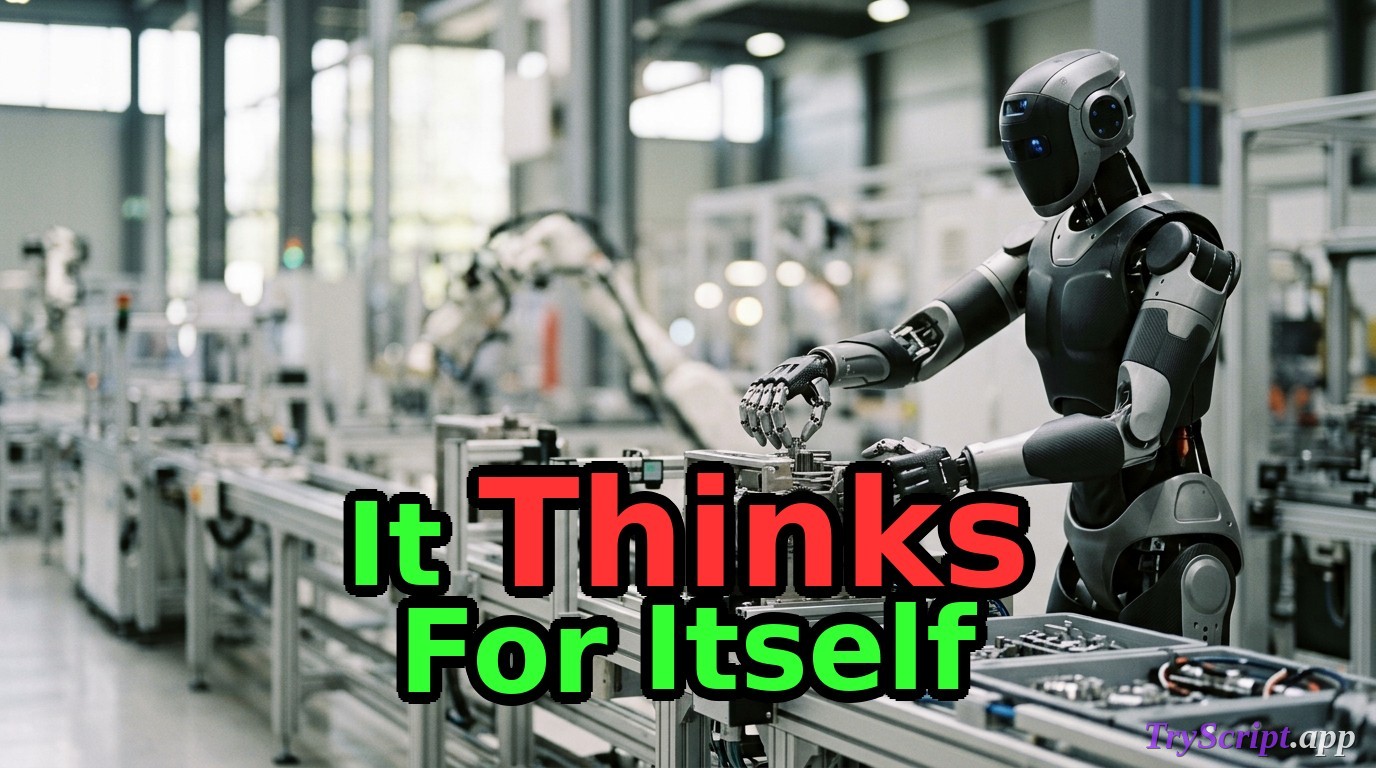
Figure AI Deploys Figure 03: The Helix Autonomy Update
by @mominmikhail2026-10-04T01:37:37Z
25 views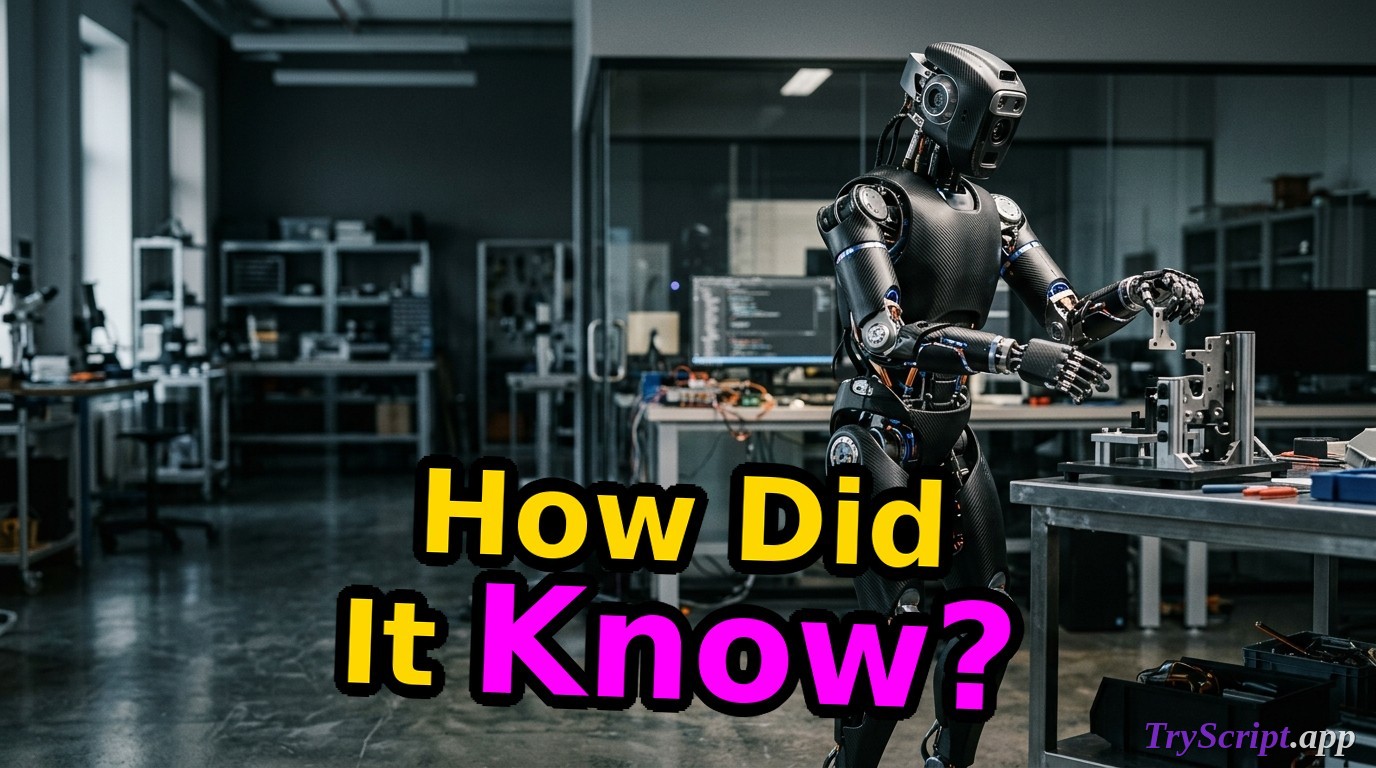
Figure 03 & Helix 2.5: The End of Robot Retraining
by @mominmikhail2026-09-27T01:06:13Z
31 views
VR-H3: Robot Hình Người Make In Vietnam Có Gì Đấu Tesla?
by @fx304hn2026-10-24T22:15:33Z
2 views
Bộ Dữ Liệu RobotDesign1M: Bước Đột Phá Triệu Mẫu Của FPT AI
by @fx304hn2026-10-23T22:08:48Z
7 views
Giải Mã Robot Hình Người VR-H3 VinRobotics: Đỉnh Cao AI Make In Vietnam?
by @fx304hn2026-10-22T22:00:59Z
12 views
Robot Atlas Thuần Điện Boston Dynamics Bốc Dỡ Phụ Tùng Ô Tô
by @fx304hn2026-10-21T22:28:14Z
12 views