Figure AI Deploys Figure 03: The Helix Autonomy Update
by @mominmikhail6 views0 downloadsOct 4, 2026, 01:37
Keywords
Figure 03 Helix autonomy softwareFigure AI Figure 03autonomous humanoid manipulationHelix autonomy enginehumanoid robots in manufacturingembodied AIdynamic manipulationhard-coded automation vs autonomous roboticsdexterity bottleneckgeneral purpose humanoid robots
Video Script / Transcript
Figure 03 is operating completely autonomously right now.
In industrial manufacturing, we've reached a critical crossroads. For decades, production lines have depended on legacy, hard-coded automation. Massive robotic arms are bolted to factory floors, running repetitive, millimeter-precise routines inside safety cages. But the second an unexpected variable appears—a tilted parts bin, a shifted component, or a misaligned tray—traditional automation grinds to a halt. And let's be honest, that happens constantly on a real shop floor. As manufacturers face severe labor shortages and rising line-changeover costs, the core challenge has never been mechanical strength. It's always been adaptive intelligence. That's where Figure AI comes in with its latest breakthrough: Figure 03, powered by the Helix autonomy software.
First, look at how the Helix autonomy engine replaces rigid automation with real-time embodied artificial intelligence. Instead of depending on pre-programmed coordinates, Helix runs end-to-end multimodal neural networks. They process sensory data with sub-second latency. When Figure 03 steps up to a workstation, it's not running a blind loop. It evaluates 3D geometry, dynamically adjusts its grip force, and instantly recalibrates if a part shifts in transit. Traditional material handling often requires weeks of mechanical retooling and rigid fixturing. In contrast, Figure 03 adapts to unstructured parts in zero-shot fashion, turning brittle assembly tasks into a fluid, self-correcting workflow.
Second, this leap in humanoid manipulation breaks through the dexterity bottleneck that's held back high-mix manufacturing for years. Figure 03 combines high-degree-of-freedom hands with advanced tactile feedback and vision-action models. In complex assembly tasks—like routing flexible wire harnesses, seating multi-pin connectors, and picking irregular parts from bins—it matches human cycle times with consistent, repeatable precision across full eight-hour shifts. For plant managers and automation directors dealing with persistent vacancies in manual assembly, this delivers a ready workforce. They can operate directly in existing, human-centric facilities without multi-million-dollar plant overhauls.
Third, deploying Figure 03 with Helix marks the exact moment general-purpose humanoid robots shift from experimental lab projects to scalable industrial assets. Helix aggregates and distributes fleet-wide neural updates through the cloud. Because of this, every hour one Figure 03 spends solving dynamic manipulation tasks compounds the intelligence of every other robot in the fleet. A physical technique mastered by a single unit in an automotive plant immediately upgrades another unit in consumer electronics. That shrinks the timeline for widespread adoption from decades down to years.
As the boundary between human dexterity and embodied AI disappears, the race for autonomous industrial scalability is officially underway. If you're an engineering director, manufacturing executive, or robotics researcher building the next generation of operations, evaluate where dynamic autonomous robots can replace your most brittle legacy systems. Subscribe and share your perspective below on how general-purpose humanoid robots will transform your production floor in the years ahead.
Related Creations
Explore AI creations on similar topics generated by the community
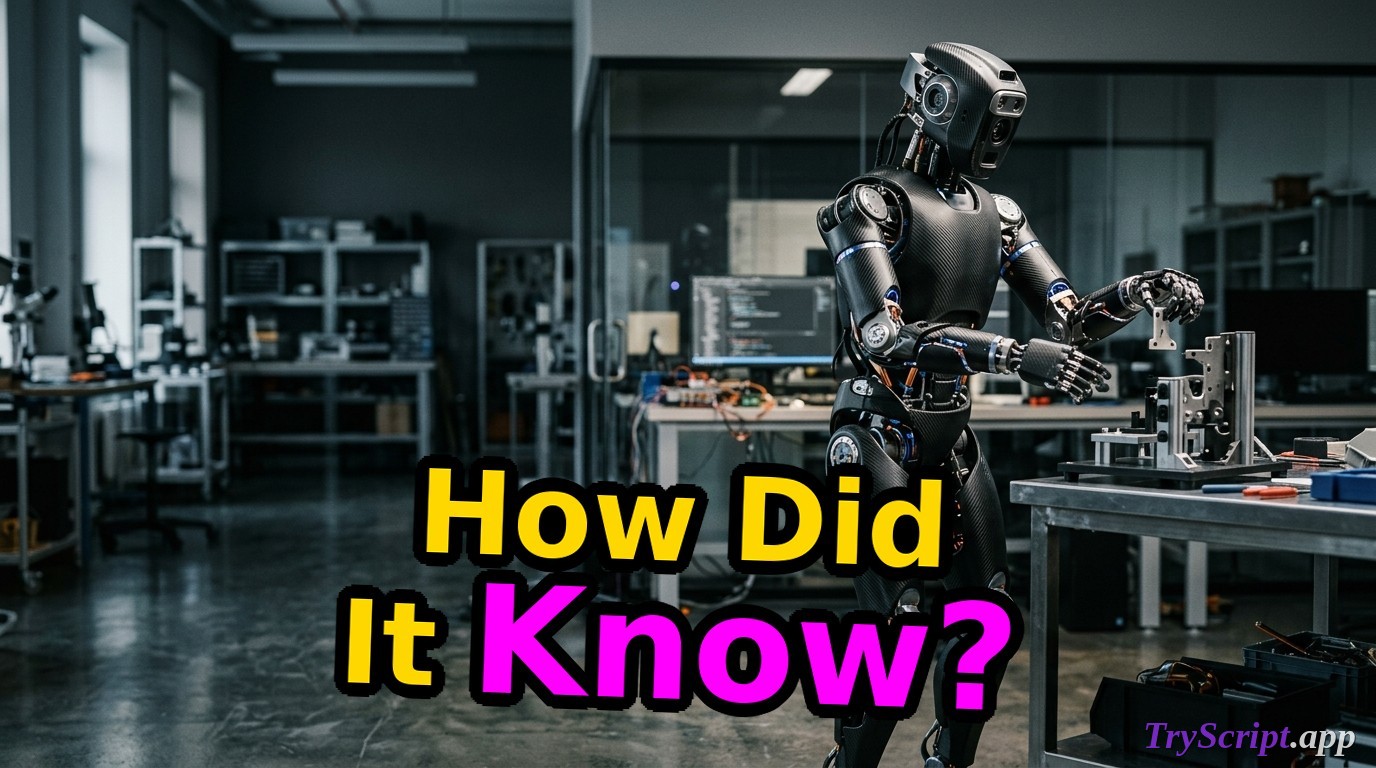
Figure 03 & Helix 2.5: The End of Robot Retraining
by @mominmikhail2026-09-27T01:06:13Z
17 views
Why Figure 03's New Tactile Hands Change Everything
by @mominmikhail2026-08-05T04:04:02Z
31 views
CRITICAL: New Citrix NetScaler Zero-Day Exploit (CVE-2026-88779)
by @mominmikhail2026-10-05T11:00:29Z
2 views
Figure 03 & Index: The Physical AI Breakthrough
by @mominmikhail2026-10-05T10:55:41Z
2 views
Video Variant D
by @regino.ybanez2026-10-05T05:01:30Z
3 views
Video Variant C
by @regino.ybanez2026-10-05T04:58:28Z
3 views