DeepMind + Apollo 2: The Embodied AI Revolution
by @mominmikhail25 views0 downloadsAug 3, 2026, 18:55
Keywords
Apptronik Apollo 2 DeepMindembodied AI controlhumanoid robot neural networkApollo 2 humanoid robotreal-time robotic controlgeneral-purpose humanoid intelligencerobotic manipulation tasksneural network hardware controlrigid automation vs AI
Video Script / Transcript
DeepMind just gave Apollo 2 a mind of its own.
For years, we've watched humanoids perform highly publicized, perfectly choreographed routines. They danced, did backflips, and walked through pre-scanned environments. But anyone in robotics knew the truth. It was just rigid automation. It was a series of hard-coded instructions that would fail the moment a single object was moved by an inch. It felt like we were decades away from true general-purpose humanoid intelligence. But seeing the Apptronik Apollo 2 DeepMind integration in action changes everything. We're looking at real-time robotic control. An embodied AI control system takes over the physical hardware, moving far beyond scripted motions.
Comparing traditional robotic programming side-by-side with neural network hardware control reveals a staggering shift.
First, consider complex robotic manipulation. In a standard setup, if a robot tries to pick up a plastic cup, it relies on precise coordinates. If the cup is deformed or slightly out of place, the gripper misses or crushes it. But with this neural network, the Apollo 2 handles the cup like a human would. It uses real-time visual feedback to adjust its grip strength and trajectory dynamically. It even corrects its path if the cup is bumped mid-motion.
Second, think about the shift from rigid automation to AI adaptation. Moving a robot from a clean lab to a busy warehouse traditionally requires weeks of re-mapping. Honestly, it's a total nightmare. Under neural network control, Apollo 2 generalizes its training. It can walk into an unfamiliar room, identify a completely new object, and manipulate it successfully on the very first try. That demonstrates true general-purpose humanoid intelligence.
Third, look at error recovery during real-time robotic control. When a traditionally programmed robot hits an obstacle, it freezes. The Apptronik Apollo 2 DeepMind system does the opposite. When its arm is blocked or it slips on a slick surface, the onboard neural network recalculates motor control outputs in milliseconds. This allows it to recover its balance, bypass the obstacle, and complete the job.
We're no longer just building machines that follow instructions. We're witnessing the arrival of robots that can think, react, and learn through physical interaction. For researchers and tech analysts, the message is clear. The era of rigid, pre-programmed humanoid movement is ending, and the era of real-time, embodied intelligence has officially begun.
What are your thoughts on this shift to neural network control? How soon do you think we'll see these humanoids working alongside us in daily life? Let me know in the comments below, and subscribe for more deep dives into the future of artificial intelligence.
Related Creations
Explore AI creations on similar topics generated by the community

Tesla Optimus Gen 2 Tự Phân Loại Linh Kiện: Đã Thực Sự Sẵn Sàng Làm Việc?
by @fx304hn2026-10-19T22:40:51Z
3 views
ChatGPT Voice Mode Tiếng Việt: Giọng Nói AI Tự Nhiên Đến Đáng Sợ!
by @fx304hn2026-10-17T22:02:44Z
7 views
FPT AI Agent: Chatbot Đã Lỗi Thời, Kỷ Nguyên Agentic AI Lên Ngôi
by @fx304hn2026-10-16T09:41:40Z
9 views
The Fake CAPTCHA Hack Stealing All Your Passwords
by @mominmikhail2026-10-07T06:53:27Z
32 views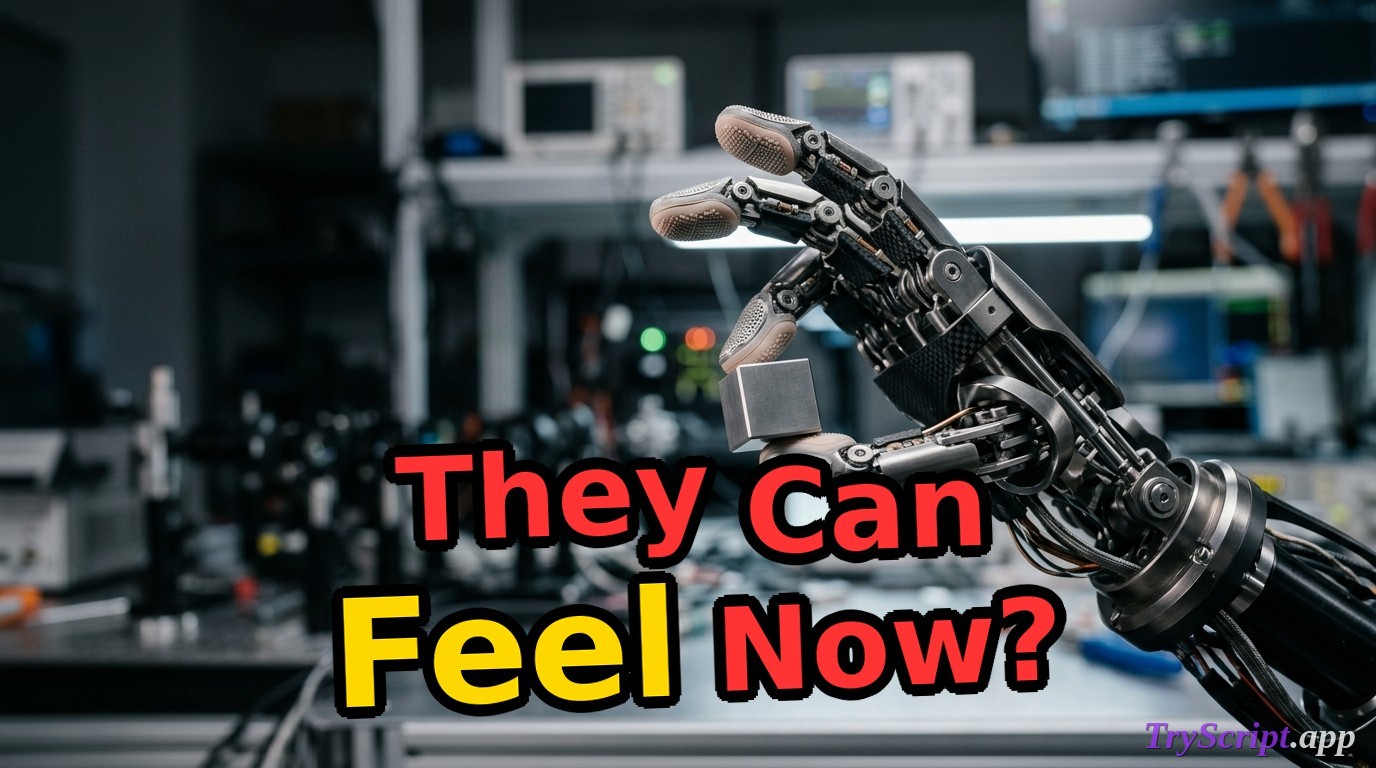
Tesla Optimus Gen 3: The Hand Upgrade Changing Robotics
by @mominmikhail2026-10-07T06:50:49Z
34 views
Why Figure AI Melted Their F.02 Robot Fleet
by @mominmikhail2026-10-06T19:56:10Z
33 views