Figure 02 Humanoid Robot Goes Commercial at BMW
by @mominmikhail2 views0 downloadsSep 20, 2026, 14:52
Keywords
Figure 02 BMW manufacturingFigure 02 humanoid robotBMW humanoid robot deploymentFigure AI automotive assemblyembodied AI manufacturingautonomous manipulationsheet metal placementneural network dexterityergonomic assembly automationskilled labor shortage
Video Script / Transcript
This humanoid robot is officially building BMW cars today. For years, the robotics industry promised general-purpose humanoids. All we ever got were tethered lab tests, rehearsed dance routines, and flashy tech demos. That era of skepticism is officially over. Inside BMW's Spartanburg manufacturing plant in South Carolina, embodied artificial intelligence just punched the factory clock—and honestly, it's about time.
Automotive manufacturing is facing a dual crisis right now. There's a worsening global shortage of skilled labor, alongside high injury rates from repetitive, ergonomically punishing assembly tasks. For decades, automakers tackled automation with massive, single-purpose robotic arms locked behind safety cages. But vehicle assembly still relies heavily on human hands for dexterous manipulation in tight, confined spaces. That's why Figure AI deployed their next-generation humanoid, Figure 02, directly onto BMW's live production floor. The goal was to prove that general-purpose humanoid robots can handle precise industrial work inside workstations designed for humans.
First, end-to-end neural network dexterity is replacing hardcoded automation. Traditional industrial robots fail if a part shifts by just two millimeters. Figure 02 runs on onboard vision-language-action neural networks paired with cameras and sixteen degrees of freedom in each hand. During trials at the Spartanburg plant, it autonomously identified, gripped, and inserted sheet metal components into precise chassis fixtures with millimeter-level accuracy. It even corrected its grip and placement dynamically in real time.
Second, it directly eliminates severe ergonomic risks and labor bottlenecks. Placing structural sheet metal parts forces workers into awkward, repetitive postures across thousands of cycles per shift. It's a primary driver of factory floor injuries. Figure 02 brings human-equivalent strength with a twenty-kilogram payload capacity. It handles these high-strain lifting tasks continuously, without requiring any redesigns to existing assembly line geometry.
Third, it proves commercial viability for automotive production. Re-tooling a traditional vehicle line for a new model typically costs hundreds of millions of dollars and months of downtime. Figure 02 demonstrated autonomous multi-hour operation across standard takt times. It proved that software updates and neural network retraining can adapt a humanoid worker to new vehicle architectures in hours instead of months.
Embodied AI isn't just a concept for the future anymore. It's building the vehicles on our roads right now. If you want to track how humanoid robotics and autonomous manufacturing are reshaping the global industrial landscape, subscribe and follow for deeper technical breakdowns.
Related Creations
Explore AI creations on similar topics generated by the community
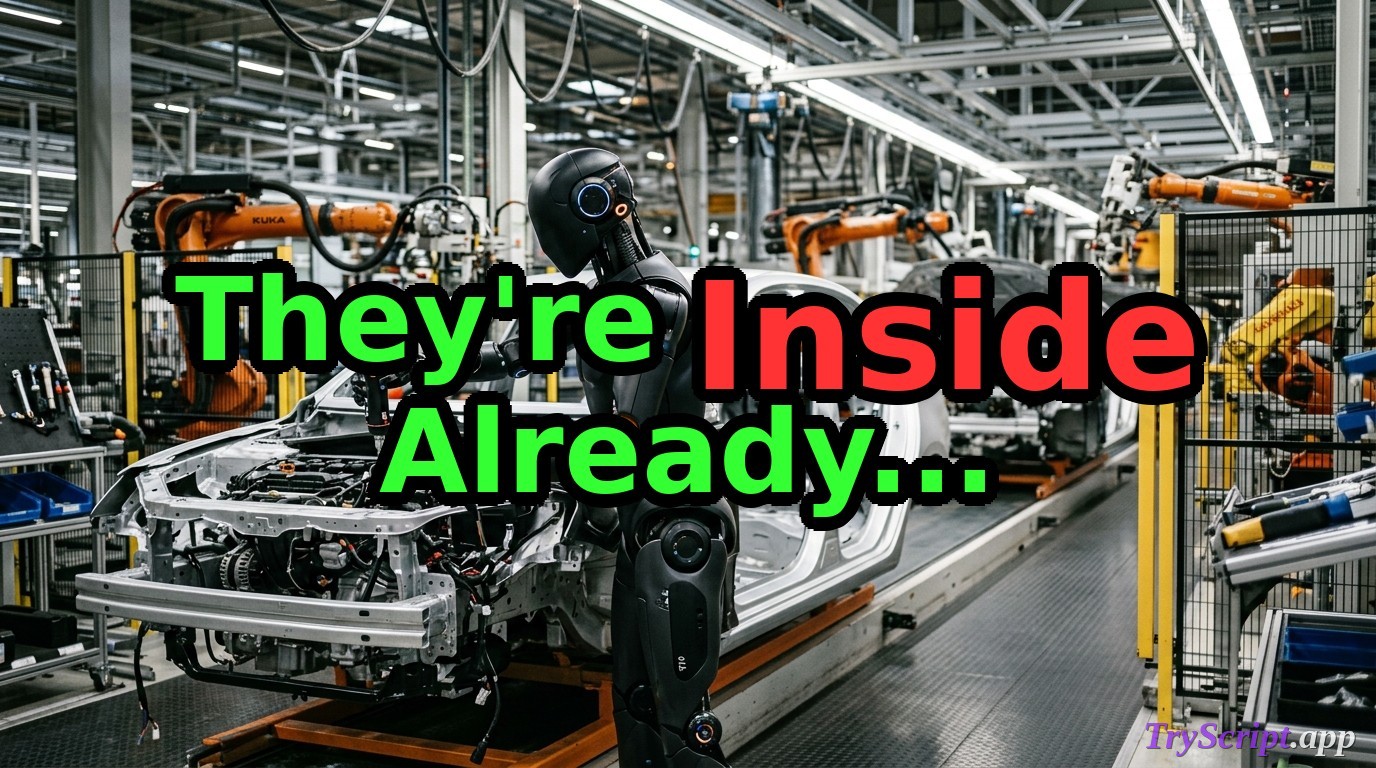
Figure 02 Takes Over the Automotive Assembly Line
by @mominmikhail2026-09-14T04:43:21Z
11 viewsFigure 02 Takes Over the BMW Assembly Line
by @mominmikhail2026-09-13T07:40:58Z
9 viewsFigure AI's 100K GPU Cluster Changes Robotics Forever
by @mominmikhail2026-09-10T14:08:35Z
18 views
Revolut Data Breach: Is Your Money Safe?
by @mominmikhail2026-09-20T14:58:20Z
2 views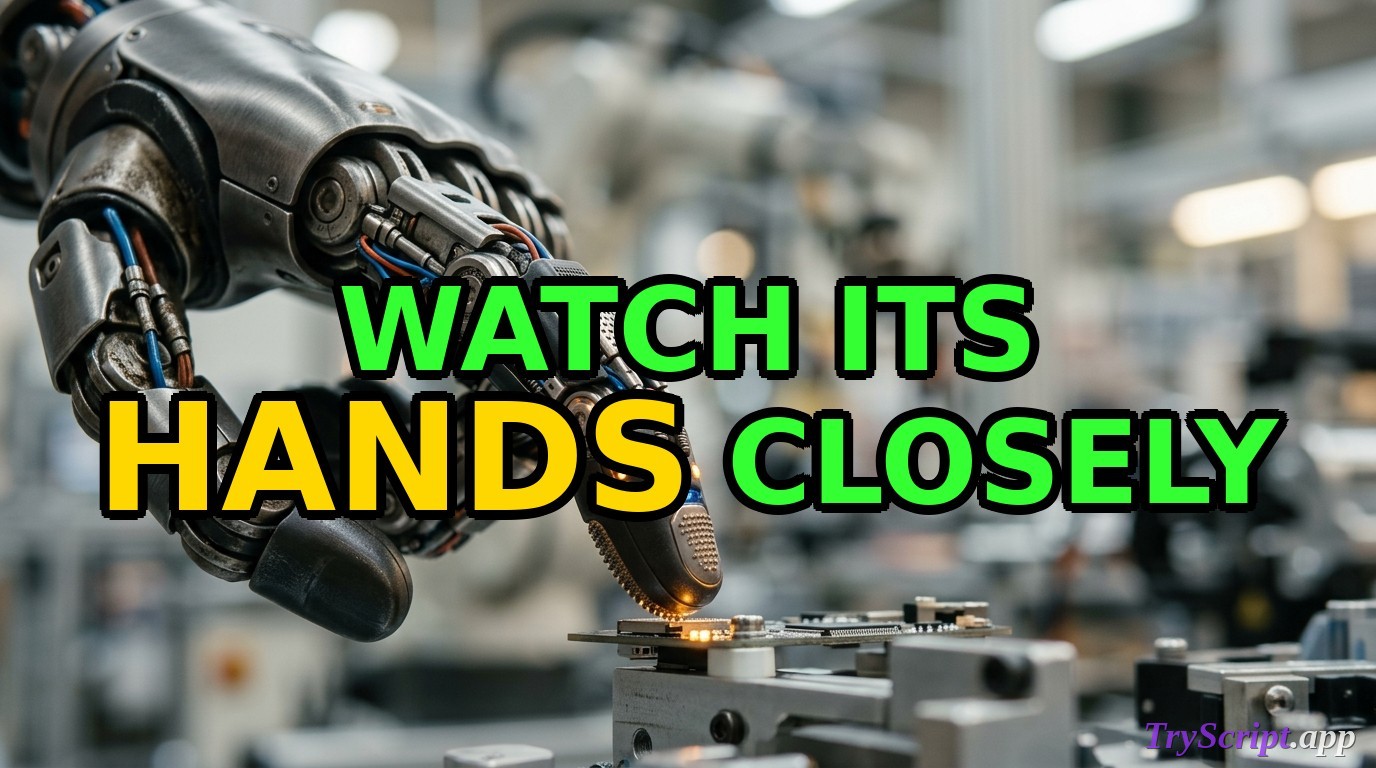
Tesla Optimus Gen 3: Dexterity Upgrades & Factory Tasks
by @mominmikhail2026-09-20T04:28:32Z
2 views
Urgent 9.8 CVSS Check Point Flaw: Patch Without Rebooting!
by @mominmikhail2026-09-20T04:21:13Z
2 views