Tesla Optimus Gen 3: Dexterity Upgrades & Factory Tasks
by @mominmikhail2 views0 downloadsSep 20, 2026, 04:28
Keywords
Tesla Optimus Gen 3 dexterity upgradesTesla robot hand tactile sensorsOptimus Gen 3 actuatorsTesla humanoid factory automationOptimus end-to-end neural networksdegrees of freedomtactile sensingprecision manipulationrobotic graspingfixed automation disruption
Video Script / Transcript
Tesla’s new robot hand dexterity changes manufacturing forever. But it's not for the reasons most analysts think.
For decades, the consensus in industrial automation was simple: humanoid hands are an over-engineered trap. Old-school engineering dogma insisted multi-fingered hands were just too fragile, too expensive, and mechanically impractical for real factory floors. As a result, manufacturing executives spent billions locked into rigid, single-purpose fixed automation. If a part geometry shifted by just two millimeters, an entire assembly cell had to be scrapped and re-engineered—which, let's be honest, was a massive headache.
Optimus Gen 3 completely destroys that assumption. Here’s why Tesla’s latest humanoid breakthrough marks a structural turning point for the entire manufacturing sector.
First, look at the mechanical architecture and expanded degrees of freedom. Gen 2 featured eleven degrees of freedom. That was enough for basic grasping, but it lacked the dexterity needed for fine micro-adjustments. The new Optimus Gen 3 actuators double that capacity to twenty-two degrees of freedom across the hand and wrist. Tesla packaged the high-torque drive units inside the forearm and routed high-tensile tendons to the fingers. That drastically reduced distal mass and inertia. It delivers rapid, human-like compliance and unlocks complex precision manipulation that previously demanded multiple custom end effectors.
Second, advanced tactile sensing eliminates blind robotic grasping. Conventional industrial grippers operate on crude binary limits. They're either fully open or fully closed. Gen 3 integrates high-density tactile sensor arrays across every fingertip and the palm, providing continuous pressure and micro-vibration feedback. The robot dynamically detects slip, texture, and weight distribution in real time. That allows it to route flexible wiring harnesses, seat fragile battery components, and manipulate delicate fasteners without applying destructive force.
Third, end-to-end neural networks replace brittle, hardcoded kinematics. Legacy robotics requires weeks of specialized programming and rigid fixture alignments just to teach an arm a single trajectory. Tesla feeds multi-camera visual inputs and tactile telemetry directly into onboard neural networks. That maps sensory data directly to actuator torque at high frequencies. When parts arrive misaligned, inverted, or randomized on a factory line, Optimus adapts autonomously through learned visual reasoning instead of throwing a system fault.
The dexterity upgrades in Optimus Gen 3 prove that generalized robotic grasping is rapidly outpacing the return on investment of traditional fixed automation.
If you're an engineer or investor planning capital allocation for future manufacturing cycles, the cost equation has fundamentally shifted. Subscribe for deeper technical breakdowns on autonomous systems, and share your perspective below. Will humanoid dexterity replace specialized industrial cells faster than legacy automation vendors predict?
Related Creations
Explore AI creations on similar topics generated by the community

Revolut Data Breach: Is Your Money Safe?
by @mominmikhail2026-09-20T14:58:20Z
3 views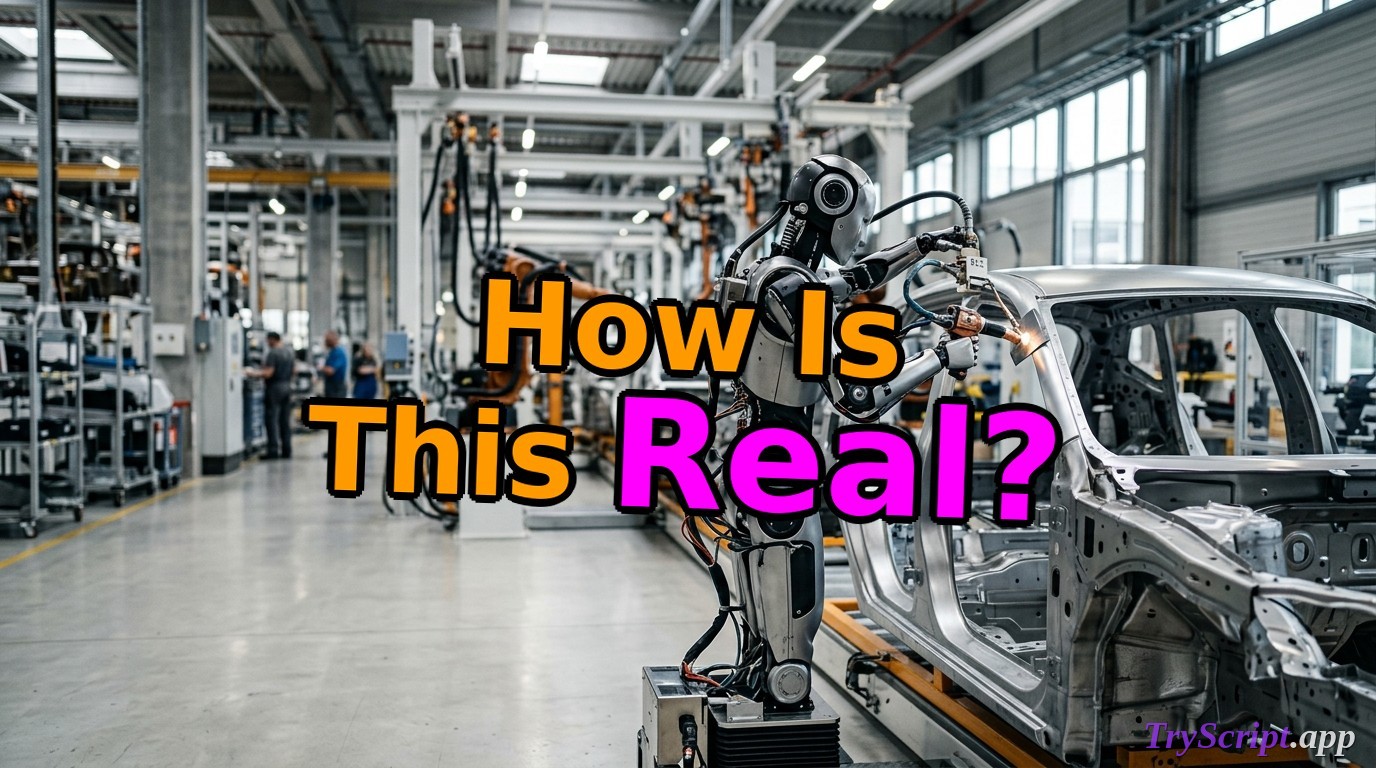
Figure 02 Humanoid Robot Goes Commercial at BMW
by @mominmikhail2026-09-20T14:52:59Z
3 views
Urgent 9.8 CVSS Check Point Flaw: Patch Without Rebooting!
by @mominmikhail2026-09-20T04:21:13Z
3 views
Microsoft's Record 960+ Patch Tuesday: Urgent IT Triage Guide
by @mominmikhail2026-09-19T17:00:17Z
6 views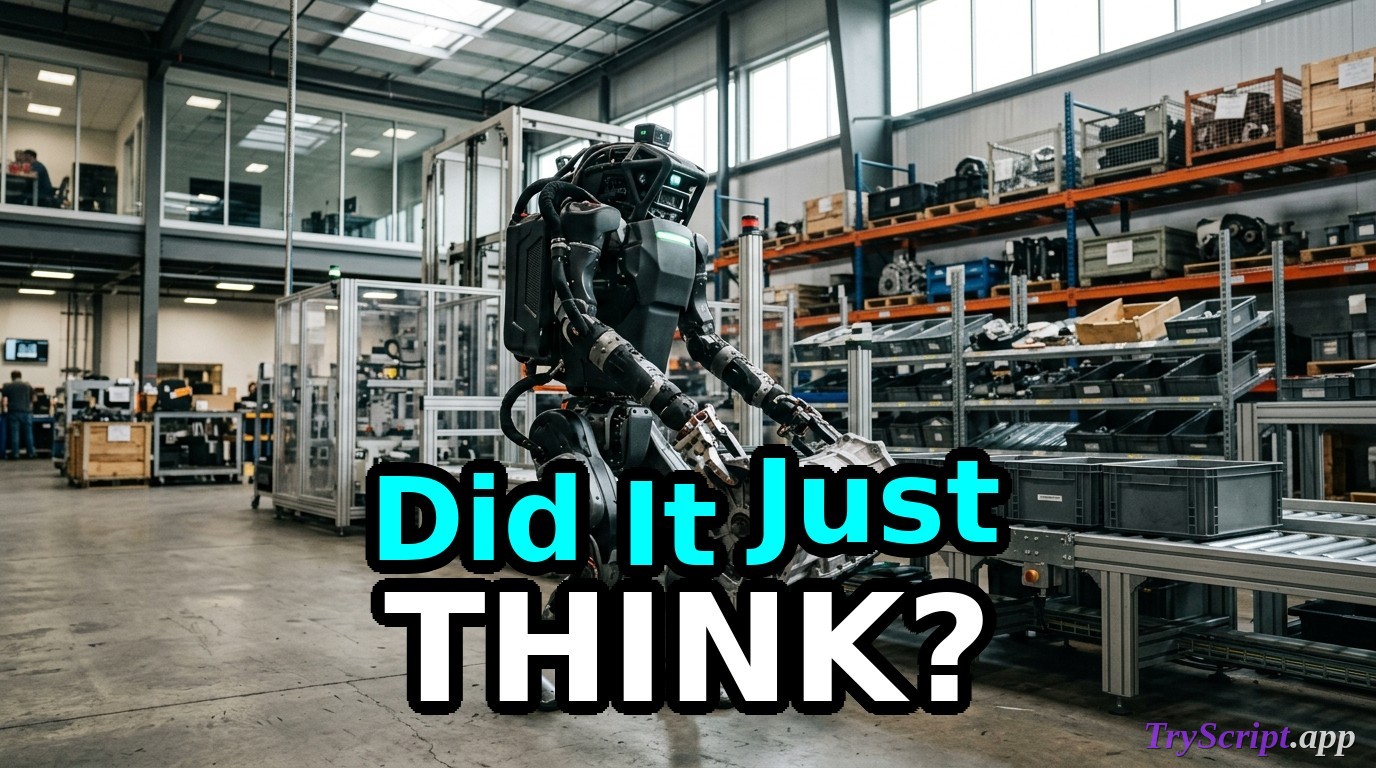
Boston Dynamics Electric Atlas Autonomous Heavy Sorting Test
by @mominmikhail2026-09-19T16:49:58Z
5 views
Microsoft's Massive 420+ Vulnerability Patch Tuesday: What You Must Fix Now
by @mominmikhail2026-09-19T05:52:01Z
6 views