OpenAI GPT-6 Astra: Native Computer Use Changes Everything
by @mominmikhail37 views0 downloadsSep 11, 2026, 12:03
Keywords
GPT-6 Astra computer useOpenAI GPT-6 autonomous agentGPT-6 native GUI controlGPT-6 Astra RPA replacementautonomous computer-use AIrobotic process automationGUI automationmulti-application workflowagentic workflowsautonomous desktop controlvision-language-action model
Video Script / Transcript
OpenAI just gave GPT-6 full control of your computer, and enterprise automation vendors are quietly panicking.
For years, legacy RPA companies sold the illusion of automation. They charged millions for brittle scripts that break the second a UI button shifts three pixels or an application updates its layout. And let's be honest, we've all lived through that headache. They convinced tech leaders that automating cross-application workflows required endless maintenance cycles, fragile connectors, and armies of dedicated consultants.
They were wrong. With GPT-6 Astra, OpenAI just made traditional robotic process automation obsolete by introducing native, autonomous desktop control.
Astra isn't another chatbot trapped in a browser sidebar. It's an autonomous computer-use model that visually inspects your display, navigates complex interfaces, executes terminal commands, and operates desktop software just like a human engineer or IT specialist. In side-by-side tests against legacy tools, Astra doesn't crash when an unexpected dialog box appears. It reads the screen, reasons through the obstacle, and completes the task.
Here are three critical realities every enterprise tech leader and software engineer must understand about GPT-6 Astra's native GUI control.
First, the complete death of script maintenance. In enterprise operations, maintaining brittle automation scripts consumes up to forty percent of an automation team's sprint capacity. Astra acts as a direct RPA replacement because it requires zero selectors, zero hardcoded coordinates, and zero custom API wrappers. In standard testing, an IT provisioning workflow spanning three legacy Windows applications took eighty hours to build and stabilize using traditional RPA. Astra executed that exact workflow from a single prompt on its very first run, visually adapting to legacy software that hasn't seen an API update in a decade.
Second, true end-to-end orchestration across technical workflows. Consider a high-priority production incident. An on-call engineer typically pulls metrics from an observability dashboard, checks logs across multiple server consoles, runs diagnostic commands in a terminal, and logs the incident in a ticketing system. Astra handles this entire multi-application workflow autonomously. In benchmark demonstrations, Astra detected an anomaly, opened the relevant terminal sessions, isolated the failing process, applied a configuration patch, and drafted the post-mortem report in under three minutes without human intervention.
Third, the unavoidable shift to autonomous agentic workflows. Treating native GUI automation as a novelty is a critical strategic mistake. Organizations that continue building rigid, point-to-point automation pipelines will soon carry unsustainable technical debt compared to teams leveraging autonomous agents. When an AI model can interact natively with any user interface, your legacy software stack stops being a technical roadblock and simply becomes another surface for autonomous execution.
The era of babysitting brittle automation scripts is over. If your organization is still pouring capital into legacy RPA frameworks instead of integrating native autonomous desktop control, you're investing in obsolete architecture.
Audit your repetitive cross-application bottlenecks today, and begin evaluating autonomous agent frameworks immediately. Share your thoughts in the comments on whether your security infrastructure is ready for native computer-use agents, and subscribe for more authoritative breakdowns of frontier AI systems.
Related Creations
Explore AI creations on similar topics generated by the community
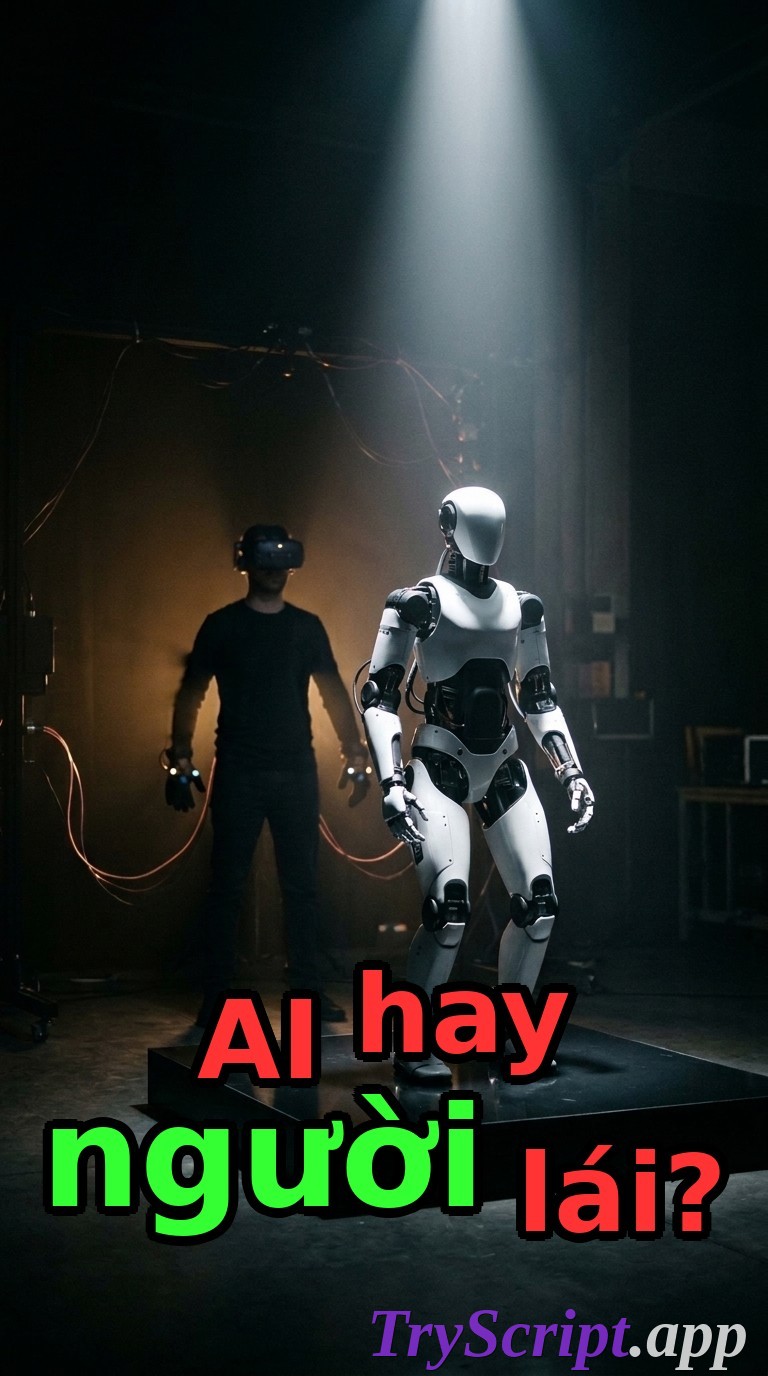
Sự Thật Tesla Optimus Gen 2 Tại We Robot: Tự Hành Hay Điều Khiển Từ Xa?
by @fx304hn2026-10-26T22:12:06Z
3 views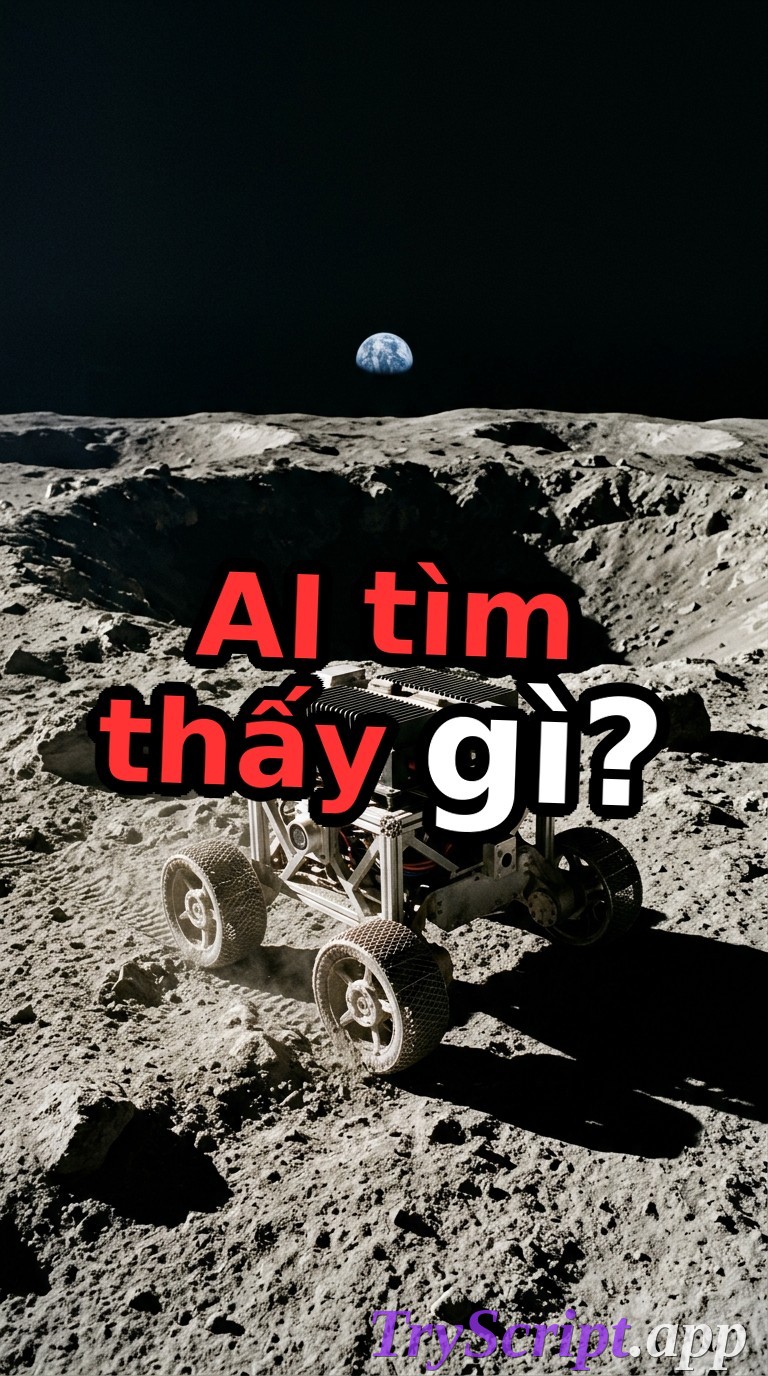
Robot AI FLIP Của Astrolab: Sứ Mệnh Lịch Sử Cực Nam Mặt Trăng
by @fx304hn2026-10-25T22:16:06Z
4 views
VR-H3: Robot Hình Người Make In Vietnam Có Gì Đấu Tesla?
by @fx304hn2026-10-24T22:15:33Z
7 views
Bộ Dữ Liệu RobotDesign1M: Bước Đột Phá Triệu Mẫu Của FPT AI
by @fx304hn2026-10-23T22:08:48Z
8 views
Giải Mã Robot Hình Người VR-H3 VinRobotics: Đỉnh Cao AI Make In Vietnam?
by @fx304hn2026-10-22T22:00:59Z
12 views
Robot Atlas Thuần Điện Boston Dynamics Bốc Dỡ Phụ Tùng Ô Tô
by @fx304hn2026-10-21T22:28:14Z
13 views