How Phoenix Gen 8 Gained a Human Touch
by @mominmikhail18 views0 downloadsAug 5, 2026, 07:05
Keywords
Sanctuary AI Phoenix Gen 8 tactile sensorsrobotic tactile sensinghumanoid robot artificial touchrobotic proprioceptionPhoenix Gen 8 handhaptic feedbackrobotic manipulationdexterous robotic handfragile object handling
Video Script / Transcript
This new robot can actually feel what it touches.
I've spent years following AI and robotics. For the longest time, there was a quiet frustration in the field. We could make robots see, plan, and move. But when they tried to interact with the world, they were just clumsy. Without touch, a robot is basically blind in its fingertips. Ask it to pick up a plastic cup, and it'd crush it. Ask it to hold a piece of fruit, and it'd slip right through. That's why the Sanctuary AI Phoenix Gen 8 tactile sensors are a massive milestone. It's a huge shift from robots just following set paths to machines that feel, adapt, and learn.
First, this solves the old problem of handling fragile things. With advanced tactile sensing, the Phoenix Gen 8 hand can handle delicate items like raw eggs and ripe grapes without damaging them. The sensors give real-time haptic feedback. This tells the control system exactly how much force it's using. It stops the messy mistakes you get with older, feedback-less hands.
Second, it takes proprioception to a whole new level. That's the internal awareness of body position and movement—which, honestly, I still struggle with before my morning coffee. For a dexterous hand, artificial touch means feeling the shape, texture, and weight of an object. This sensory stream merges with physical coordination. It allows for high-precision control that mimics human dexterity way better than eyes alone.
Third, it solves the programming nightmare that has held humanoid robots back. Instead of engineers writing millions of lines of code to guess every collision and grip, the system uses tactile intelligence to auto-correct. The robot feels slippage before it happens and adjusts its fingers on the fly. This makes it actually useful for places like homes and hospitals where things change constantly.
This is the start of a new era. If you want to stay updated on AI and robotics, subscribe to the channel. Let me know in the comments how you think artificial touch will change automation.
Related Creations
Explore AI creations on similar topics generated by the community

Tesla Optimus Gen 2 Tự Phân Loại Linh Kiện: Đã Thực Sự Sẵn Sàng Làm Việc?
by @fx304hn2026-10-19T22:40:51Z
3 views
ChatGPT Voice Mode Tiếng Việt: Giọng Nói AI Tự Nhiên Đến Đáng Sợ!
by @fx304hn2026-10-17T22:02:44Z
7 views
FPT AI Agent: Chatbot Đã Lỗi Thời, Kỷ Nguyên Agentic AI Lên Ngôi
by @fx304hn2026-10-16T09:41:40Z
9 views
The Fake CAPTCHA Hack Stealing All Your Passwords
by @mominmikhail2026-10-07T06:53:27Z
32 views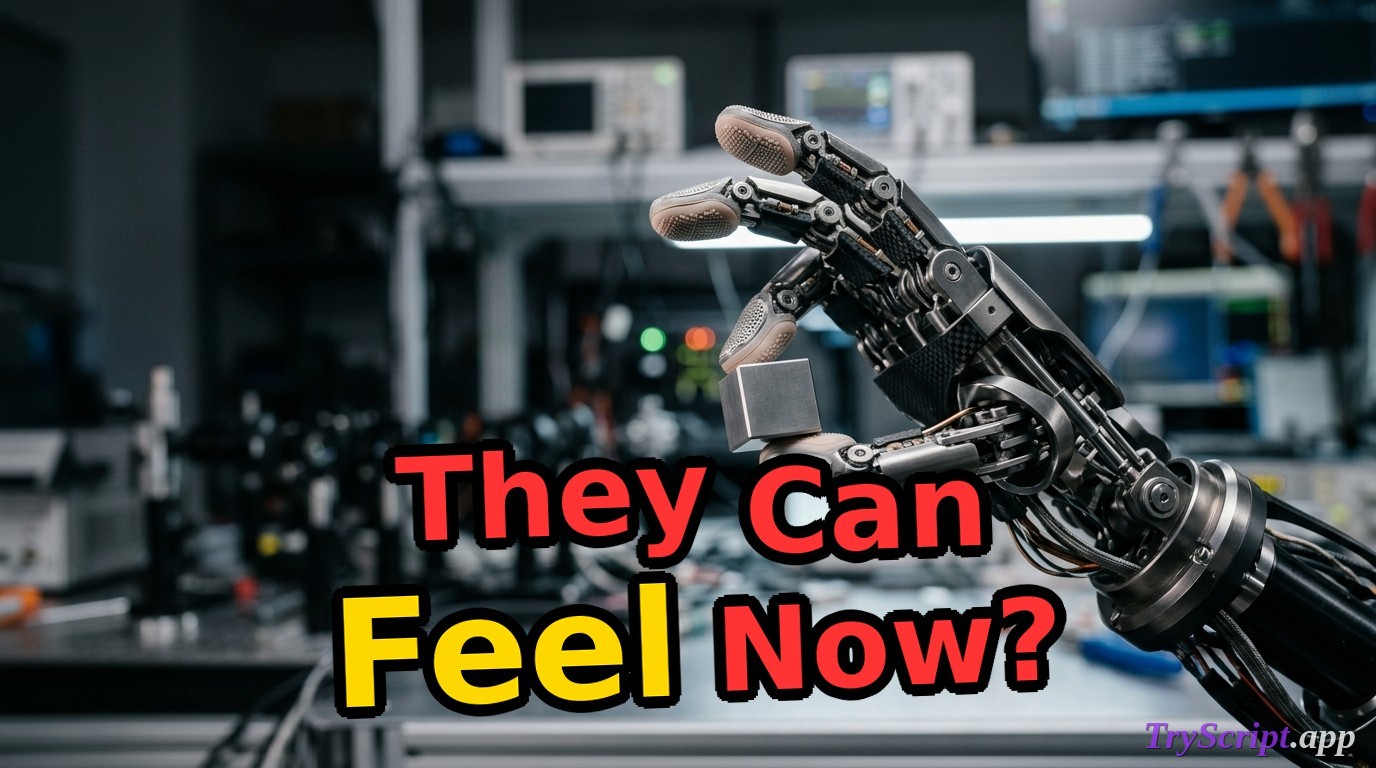
Tesla Optimus Gen 3: The Hand Upgrade Changing Robotics
by @mominmikhail2026-10-07T06:50:49Z
34 views
Why Figure AI Melted Their F.02 Robot Fleet
by @mominmikhail2026-10-06T19:56:10Z
33 views