Tesla's 10 Million Robot Plan
by @mominmikhail41 views0 downloadsAug 4, 2026, 00:02
Keywords
Tesla Optimus production capacityTesla humanoid robot productionElon Musk Optimus targetTesla Bot manufacturing scaleautomation scalinghumanoid robotslabor economyunit cost reductionautomotive manufacturing expertise
Video Script / Transcript
Tesla is targeting ten million humanoid robots every single year. Let that sink in. That's more than the annual vehicle production of almost any major automaker on the planet. But is this just another wild promise from Elon Musk? Or does Tesla actually have the manufacturing blueprint to pull off the largest automation scaling event in human history?
If you're a Tesla shareholder, a tech investor, or just someone fascinated by the future of robotics, you've probably met this ten-million target with a healthy dose of skepticism. Honestly, who can blame you? Building a humanoid robot is incredibly complex. Manufacturing them at a scale that exceeds global auto production seems almost impossible. But Tesla isn't starting from scratch. They plan to treat the Optimus bot not as a delicate research project, but as a car on two legs. They'll leverage the exact same massive manufacturing scale and gigafactory expertise that revolutionized the electric vehicle industry.
First, look at the hardware transition. Tesla is moving Optimus from low-volume testing straight into their advanced automotive assembly lines. They're using custom-designed actuators, structural battery pack concepts, and the exact same neural network training pipeline used for Full Self-Driving vehicles. This lets Tesla bypass decades of traditional robotics bottlenecks. They're building a machine designed specifically for rapid assembly.
Second, let's look at unit cost reduction. The economic magic of this ten-million target lies in the manufacturing scale. At low volumes, a humanoid robot is a million-dollar luxury. But at ten million units per year, Tesla projects they can drive the cost of an Optimus bot down to under twenty thousand dollars. That's cheaper than a compact car. It makes humanoid labor accessible to businesses of all sizes and completely rewrites the rules of the global labor economy.
Third, look at the labor market impact. A twenty-thousand-dollar robot can work twenty-four hours a day, seven days a week. That fundamentally changes global productivity. Tesla plans to deploy thousands of these bots in their own gigafactories first. They'll refine the workflow and prove the utility. It's the ultimate testing ground before shipping a single unit to external customers.
The scaling race is already underway. The implications for your investment portfolio and the global economy are massive. What do you think? Is ten million bots a year realistic, or is it too ambitious? Share your thoughts in the comments, subscribe for more deep dives into the future of tech, and hit that like button to support the channel.
Related Creations
Explore AI creations on similar topics generated by the community
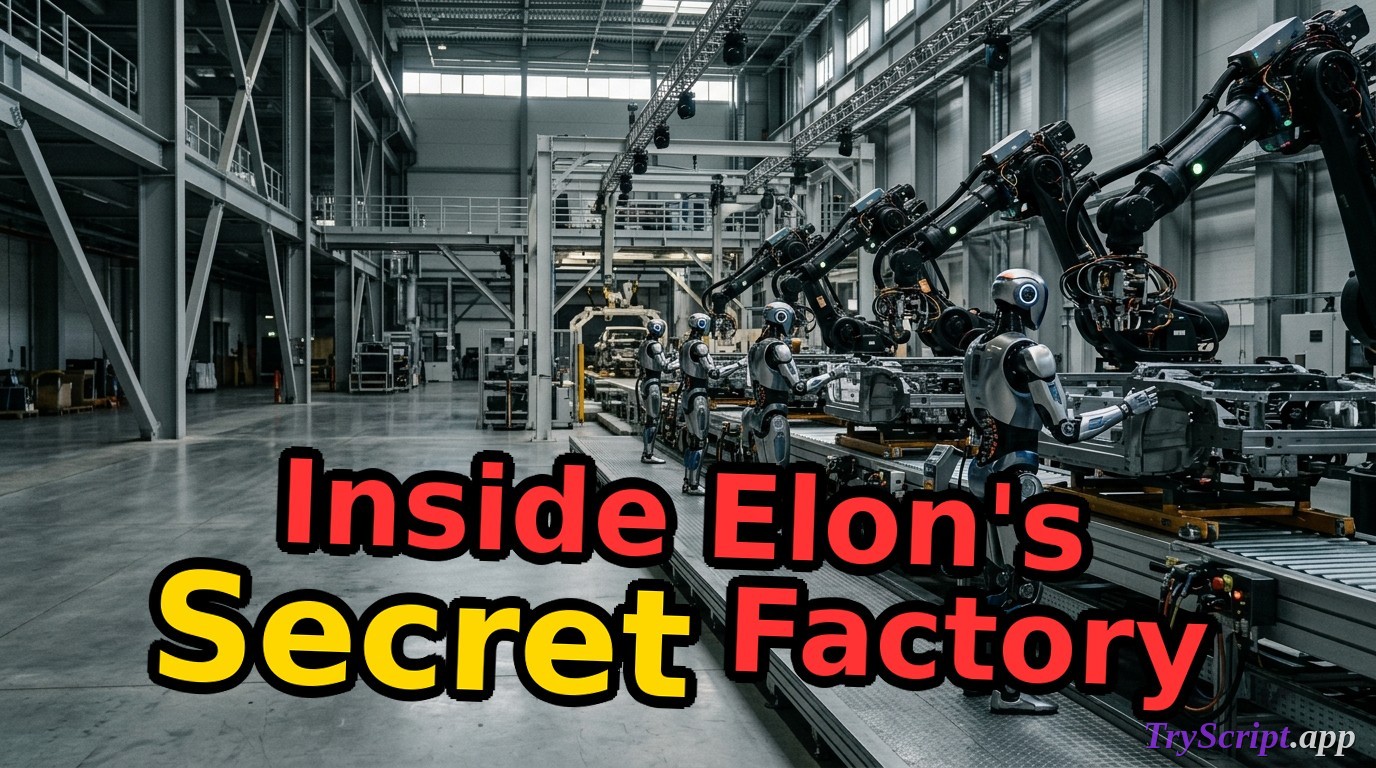
Tesla's 15,000 Optimus Gen 3 Factory Revealed!
by @mominmikhail2026-09-22T00:10:31Z
29 views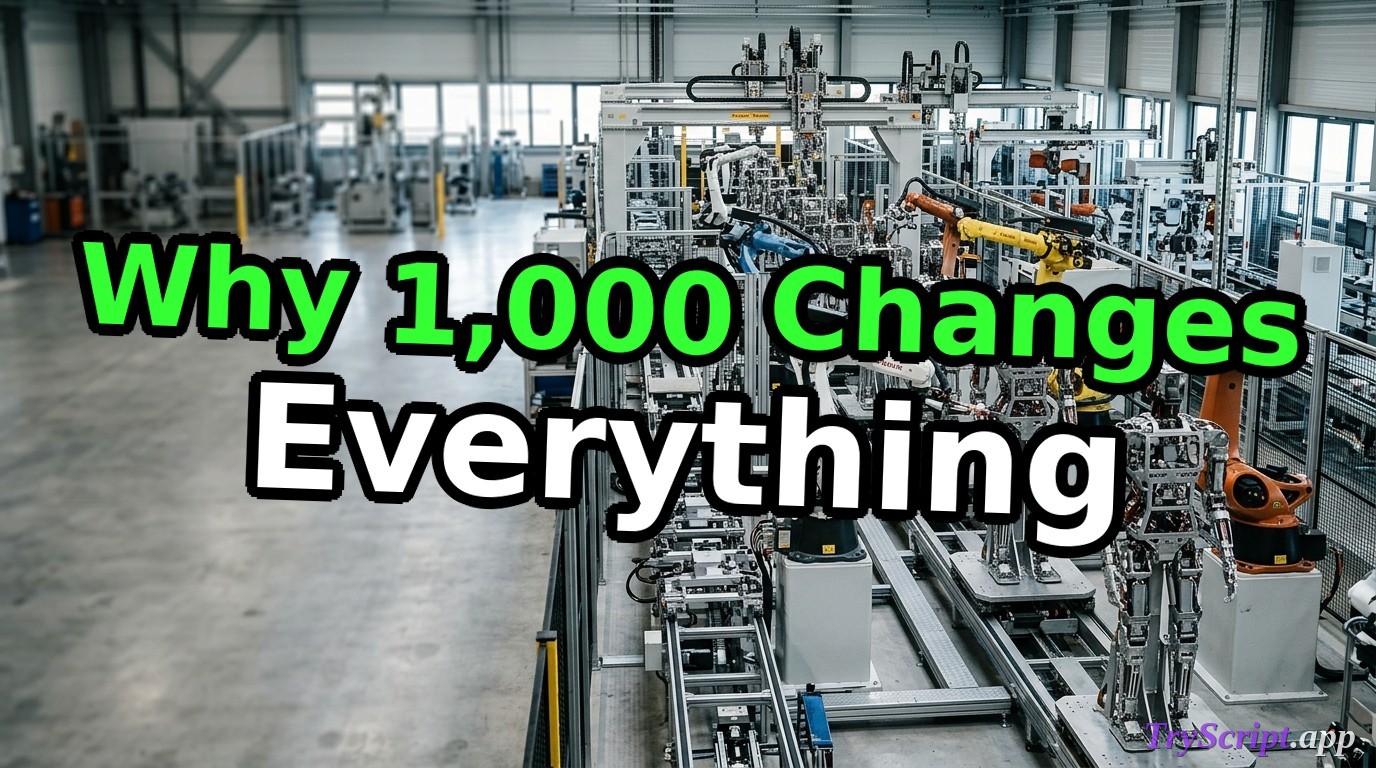
Tesla Optimus Assembly Line Hits 1,000 Robots Per Week!
by @mominmikhail2026-09-15T14:07:34Z
35 views
VR-H3: Robot Hình Người Make In Vietnam Có Gì Đấu Tesla?
by @fx304hn2026-10-24T22:15:33Z
1 views
Bộ Dữ Liệu RobotDesign1M: Bước Đột Phá Triệu Mẫu Của FPT AI
by @fx304hn2026-10-23T22:08:48Z
6 views
Giải Mã Robot Hình Người VR-H3 VinRobotics: Đỉnh Cao AI Make In Vietnam?
by @fx304hn2026-10-22T22:00:59Z
11 views
Robot Atlas Thuần Điện Boston Dynamics Bốc Dỡ Phụ Tùng Ô Tô
by @fx304hn2026-10-21T22:28:14Z
11 views