Video Variant A
by @regino.ybanez2 views0 downloadsOct 5, 2026, 04:26
Video Script / Transcript
Create a **cinematic, emotional historical video** inspired by José Rizal's **“Mi Último Adiós.”**
Use the **exact poem text provided in the script** as the Spanish narration. Do not rewrite, paraphrase, translate, or add dialogue.
Create **one continuous cinematic sequence** with a small number of carefully chosen visuals to conserve video credits:
Begin with **José Rizal in a dim 1896 prison cell**, writing his final poem by candlelight. Show close-ups of his hands, handwritten pages, candlelight, and his thoughtful face.
Gradually transition to beautiful **1896 Philippine landscapes**—the sea, mountains, rice fields, tropical scenery, sunrise, and Filipino people—representing his love for his homeland.
Show symbolic scenes of **sacrifice, freedom, family, faith, death, a simple grave, a humble flower, moonlight, and a bird**, matching the emotional themes of the poem. Avoid graphic violence.
End with a powerful **sunrise over the Philippine landscape**, symbolizing hope, freedom, and Rizal's enduring love for the Philippines.
**Style:** photorealistic, cinematic historical drama, 1896 Spanish colonial Philippines, realistic period clothing and environments, dramatic candlelight, natural colors, slow camera movement, emotional close-ups, cinematic depth of field.
**Narration:** deep, calm, emotional Spanish male voice with natural pronunciation and meaningful pauses.
**Music:** subtle emotional orchestral music with piano and strings, kept quiet beneath the narration.
**Important:** Keep the video visually simple and focused to minimize generation credits. Prioritize **high-quality cinematic visuals over numerous scene changes**. No modern objects, modern clothing, cartoon style, futuristic effects, or graphic violence.
End title:
**MI ÚLTIMO ADIÓS**
**Dr. José Rizal — 1896**
Related Creations
Explore AI creations on similar topics generated by the community

CRITICAL: New Citrix NetScaler Zero-Day Exploit (CVE-2026-88779)
by @mominmikhail2026-10-05T11:00:29Z
2 views
Figure 03 & Index: The Physical AI Breakthrough
by @mominmikhail2026-10-05T10:55:41Z
2 views
Video Variant D
by @regino.ybanez2026-10-05T05:01:30Z
3 views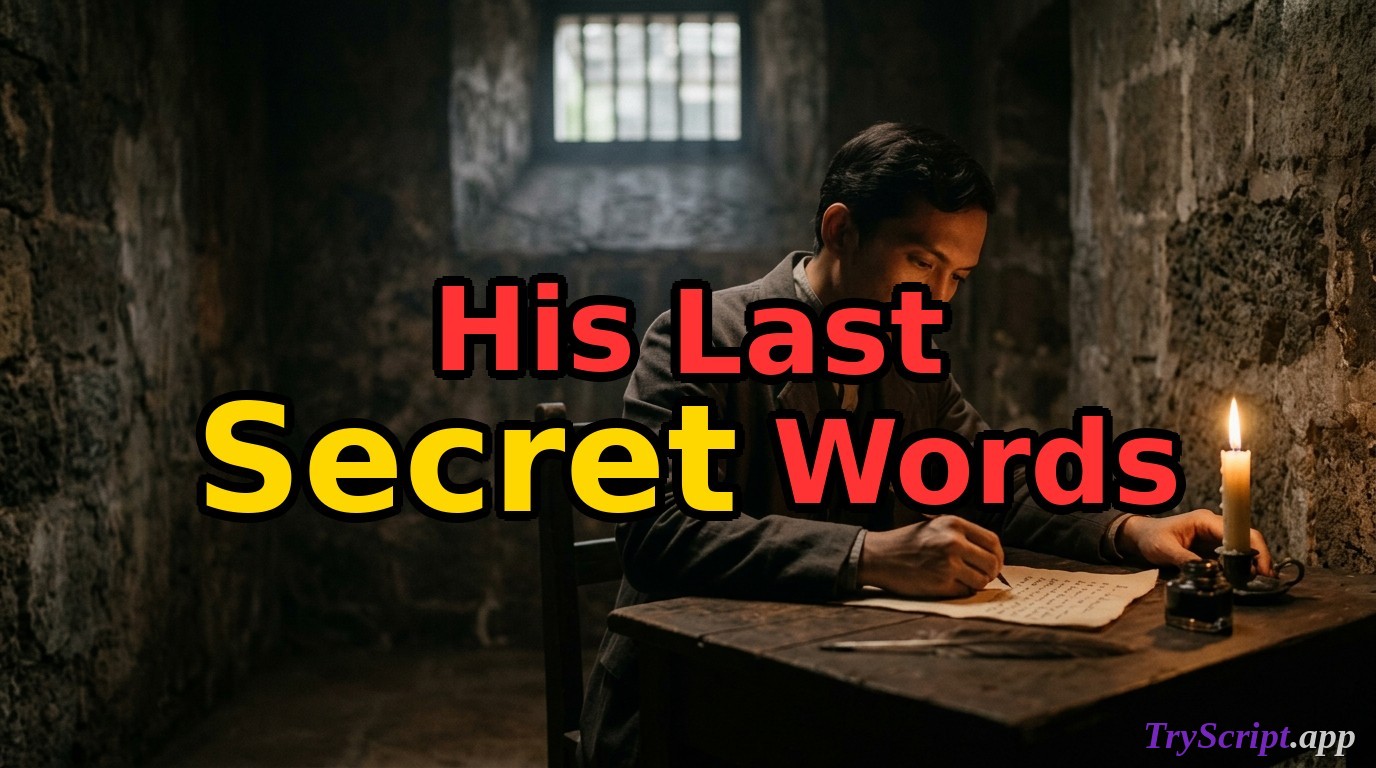
Video Variant C
by @regino.ybanez2026-10-05T04:58:28Z
3 views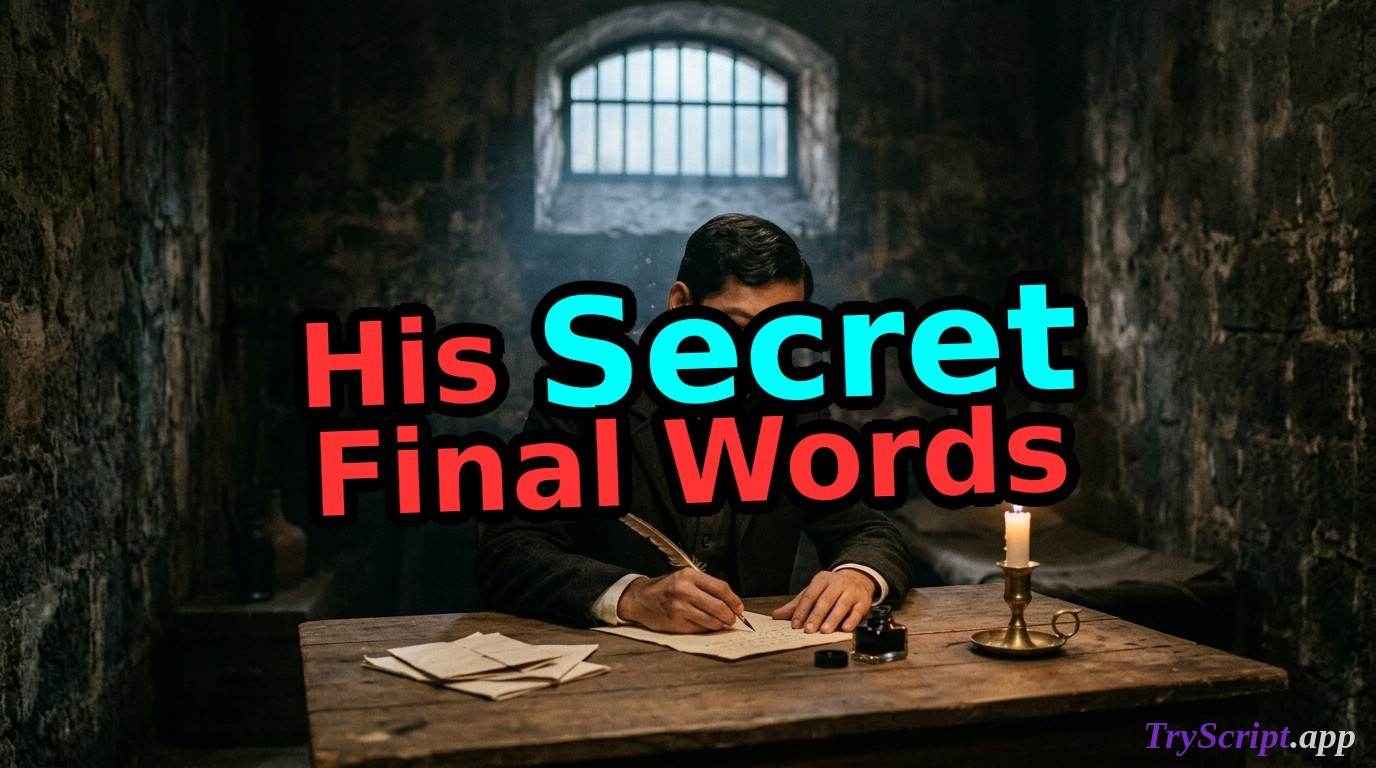
Video Variant B
by @regino.ybanez2026-10-05T04:27:02Z
2 views
URGENT: Critical FortiMail Zero-Day Vulnerability Exploited!
by @mominmikhail2026-10-04T23:46:39Z
5 views